WhatsApp +880 1913-394033  ·  [email protected] Grand Plaza, 2nd floor, Wireless, Moghbazar, Dhaka-1217
  1. Home
  2. Tours
  3. Best of Bangladesh
Across Bangladesh

Best of Bangladesh

  • Duration20 Days
  • RunsRound the year
20Days

Overview

Twenty days across the whole country, taking in every well-known region and all of Bangladesh's UNESCO World Heritage Sites.

This holiday is a chance to get to know the land and its people, to uncover places few visitors see and to enjoy the culture and the warmth of your hosts.

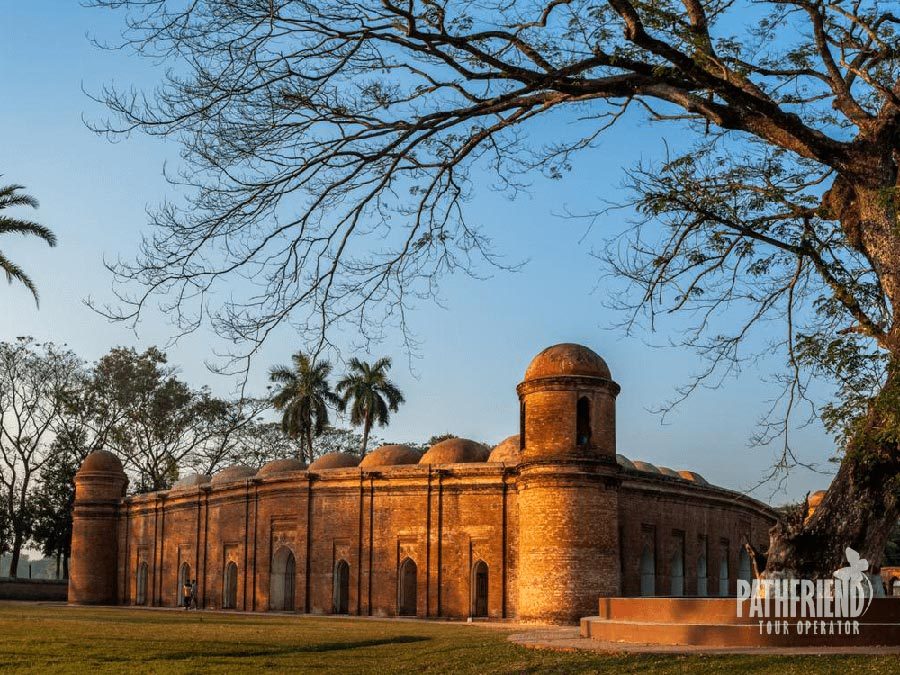
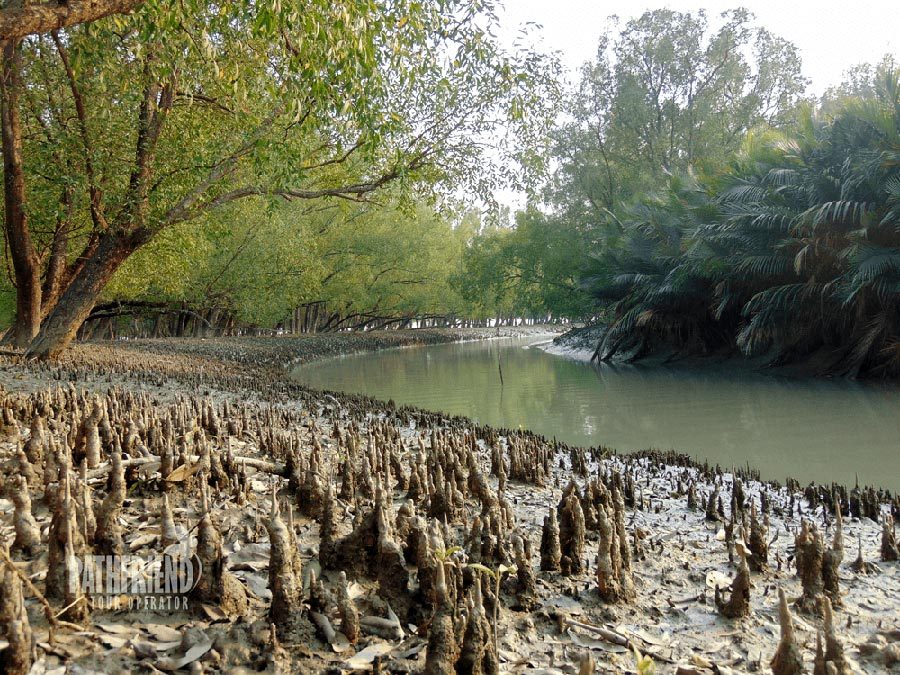
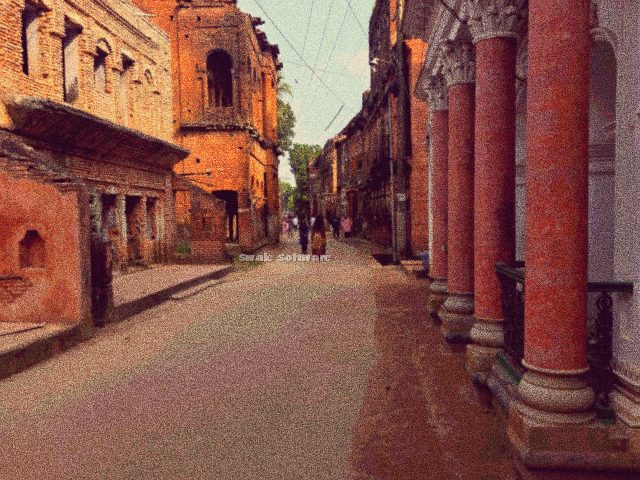
You begin in Dhaka, a city full of energy and historic monuments, then sail overnight by ship to Barisal, where the backwaters and floating markets show Bangladesh at its most beautiful. Next come the historic mosque city of Bagerhat, with its World Heritage Sixty Dome Mosque, and a trip into the Sundarbans, the largest mangrove forest in the world, also a World Heritage Site and the one place where man-eating tigers live. Several days in north Bengal follow, among its wealth of ancient monuments and ruins: the Buddhist Vihara at Paharpur (World Heritage), beautiful Hindu temples, and historic mosques of the medieval and Mughal periods. Then you explore Sreemangal and Sylhet, the tea capital, a region of about 135 tea gardens, pineapple plantations, rainforest and lovely lakes, rivers and canals.

On the road to Chittagong you visit the old capital of Sonargaon and the archaeological sites of Mainamati to learn about ancient Bengal. In the Chittagong Hill Tracts you hike in the hills, cruise on Kaptai Lake and meet people of several indigenous communities, whose weaving and way of life are quite unlike anything elsewhere. The tour ends with time to relax at Cox's Bazar, the longest sea beach of all. Visit Bangladesh once and the memories will last a lifetime.

When to go

  • Jan: good time to go
  • Feb: good time to go
  • Mar: good time to go
  • Apr: not the ideal time
  • May: not the ideal time
  • Jun: not the ideal time
  • Jul: not the ideal time
  • Aug: not the ideal time
  • Sep: not the ideal time
  • Oct: good time to go
  • Nov: good time to go
  • Dec: good time to go
  • Good time to go
  • Not ideal
  • Tour doesn't run

Highlights

  • All three UNESCO World Heritage Sites and the best-known places in Bangladesh.
  • Three days exploring deep inside the Sundarbans, the largest mangrove forest in the world and a UNESCO World Heritage Site.
  • A holiday at Cox's Bazar, the longest unbroken sandy sea beach in the world, and on Saint Martin's island.
  • The major archaeological sites of Bangladesh.
  • The Chittagong Hill Tracts and the indigenous way of life there.
  • The tea capital, Sylhet and Sreemangal, and the countryside around it.
  • A cruise on the famous Rocket paddle steamer through riverine Bangladesh.
  • The Sixty Dome Mosque in Bagerhat, a UNESCO World Heritage Site, and two other places nearby.
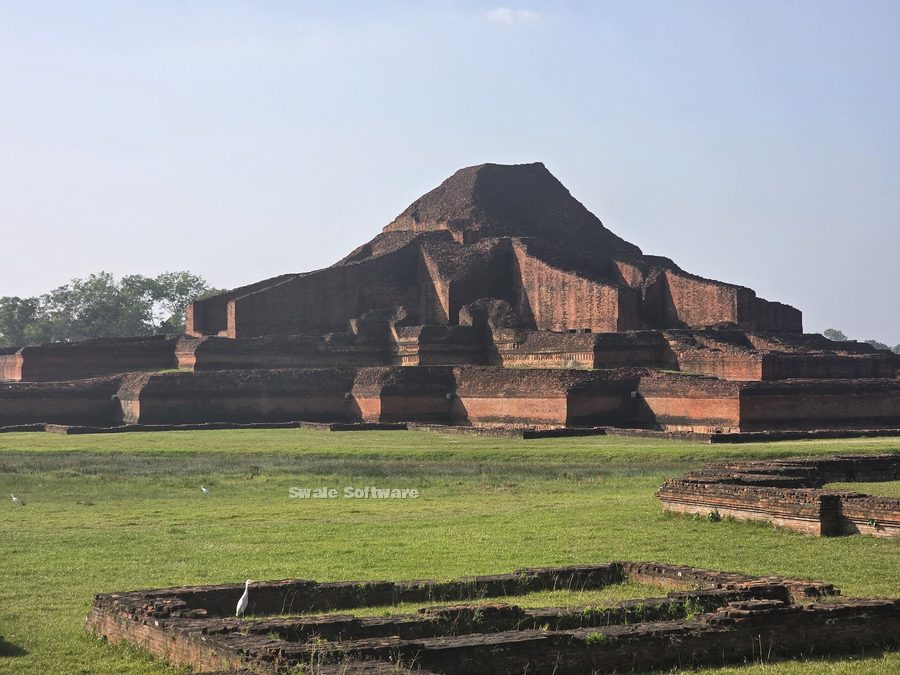
  • Paharpur's Somapura Mahavihara (the Buddhist Bihar), a UNESCO World Heritage Site, and Mahasthangarh in Bogra.
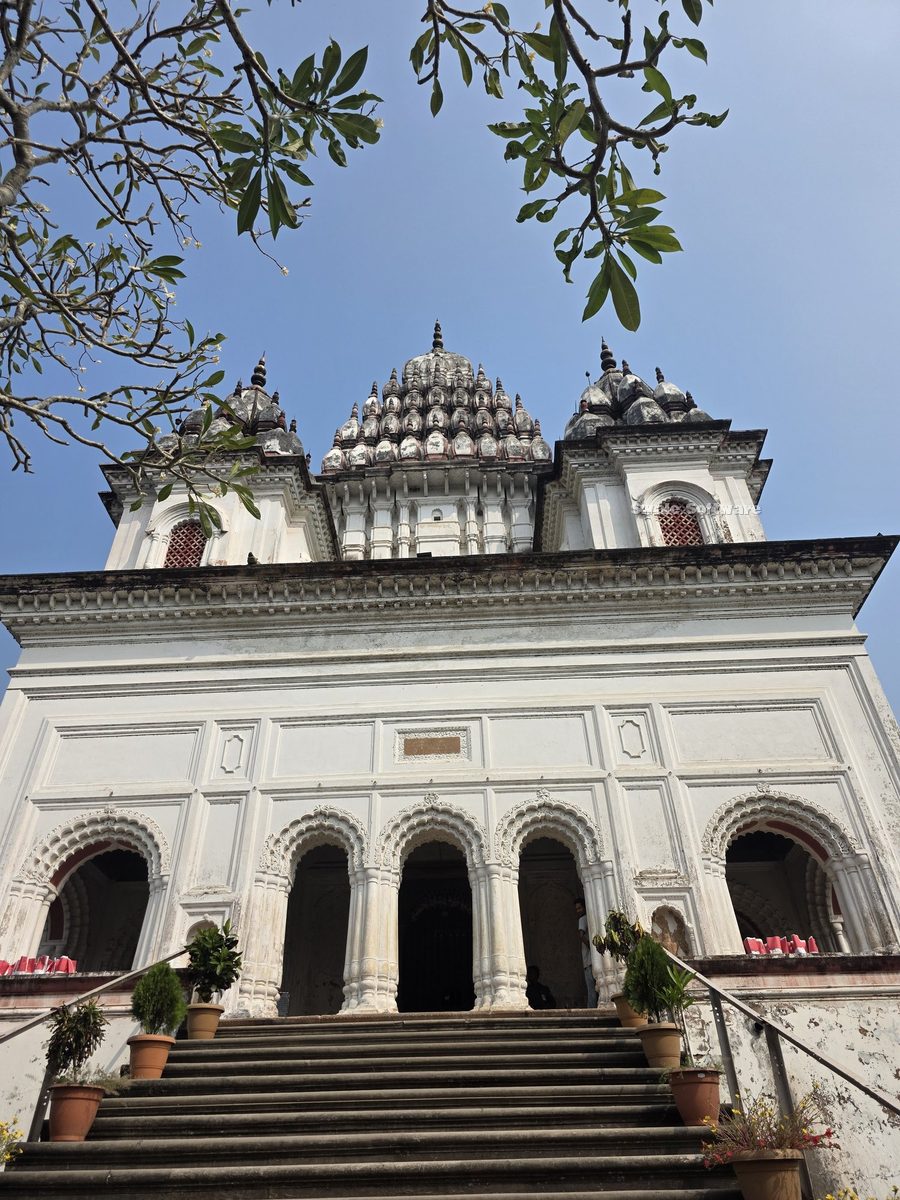
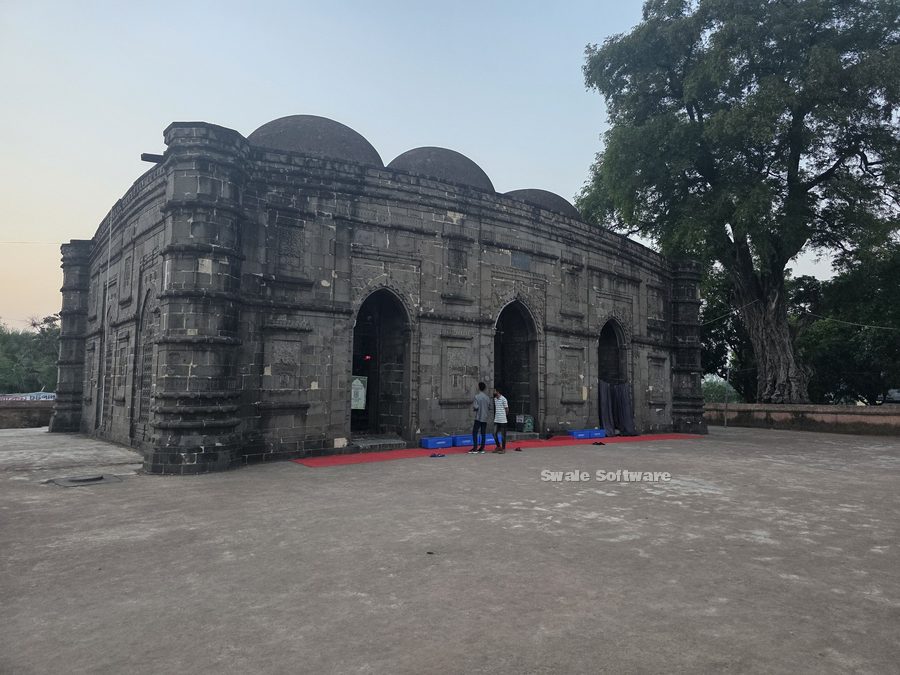
  • The Hindu temples of Puthia, Kusumba Mosque and the Navaratna Temple, in Rajshahi, Bogra and Sirajganj districts.
  • The tea capital, Sreemangal and Sylhet, with more than 163 tea gardens, known as the green carpet of Bangladesh. Walk through tea, rubber, pineapple and lemon gardens, and try seven-layer tea at the Neel Kantha tea stall.
  • Explore Lawachara rainforest, a national reserve full of birds, animals and rare trees.
  • Madhabpur Lake, Madhabkunda waterfall, the shrines of Hazrat Shahjalal and Hazrat Shah Paran, Jaflong zero point, and Manipuri and Khasia communities in Sreemangal and Sylhet.
  • The old capital Sonargaon with its museum and Panam City, and Mainamati, with its Second World War cemetery, Shalban Vihara and the Lalmai hills.
  • The ship-breaking yard at Chittagong and hill walks in Rangamati and Bandarban.
  • The 13 indigenous communities who live in the Chittagong division.
  • Indigenous villages, weaving workshops and bazaars in Rangamati and Bandarban, including Tripura, Bawm, Marma and Murong villages.
  • Boat trips on Kaptai Lake in Rangamati and the Sangu River in Bandarban.
  • Bonorupa, the largest indigenous floating market, the Hanging Bridge, Rajban Vihar and the Chakma king's house in Rangamati.
  • The hilltop viewpoints of Nilachal, Chimbuk and Nilgiri in Bandarban.
  • Time to relax at Shailaprapat in Bandarban and Shuvolong Waterfall in Rangamati.
  • Days at Cox's Bazar, the longest unbroken sea beach in the world, and on the coral island of Saint Martin's.
  • Maheshkhali Island, Himchari and Inani, and the beauty of the ocean.

Places you will see

  • Dhaka & Around

    • New & old Dhaka
    • Old capital Sonargaon
    • Mainamati Comilla
  • Barishal

    • Backwater Cruise
    • Floating Bazaar
    • Village beauty
  • Bagerhat

    • Sixty Dome Mosque
    • Shrine of Khan Jahan Ali
    • Nine Dome Mosque & Kodla Math
  • Sundarban

    • Kochikhlai wildlife sanctuary
    • Kotka wildlife sanctuary
    • Harbaria Eco-tourism centre
    • Jamtola sea-beach
    • Fishing village
    • Karamjal crocodile breeding centre
  • Paharpur, Bogra & Rajshahi

    • Paharpur Buddhist Bihar
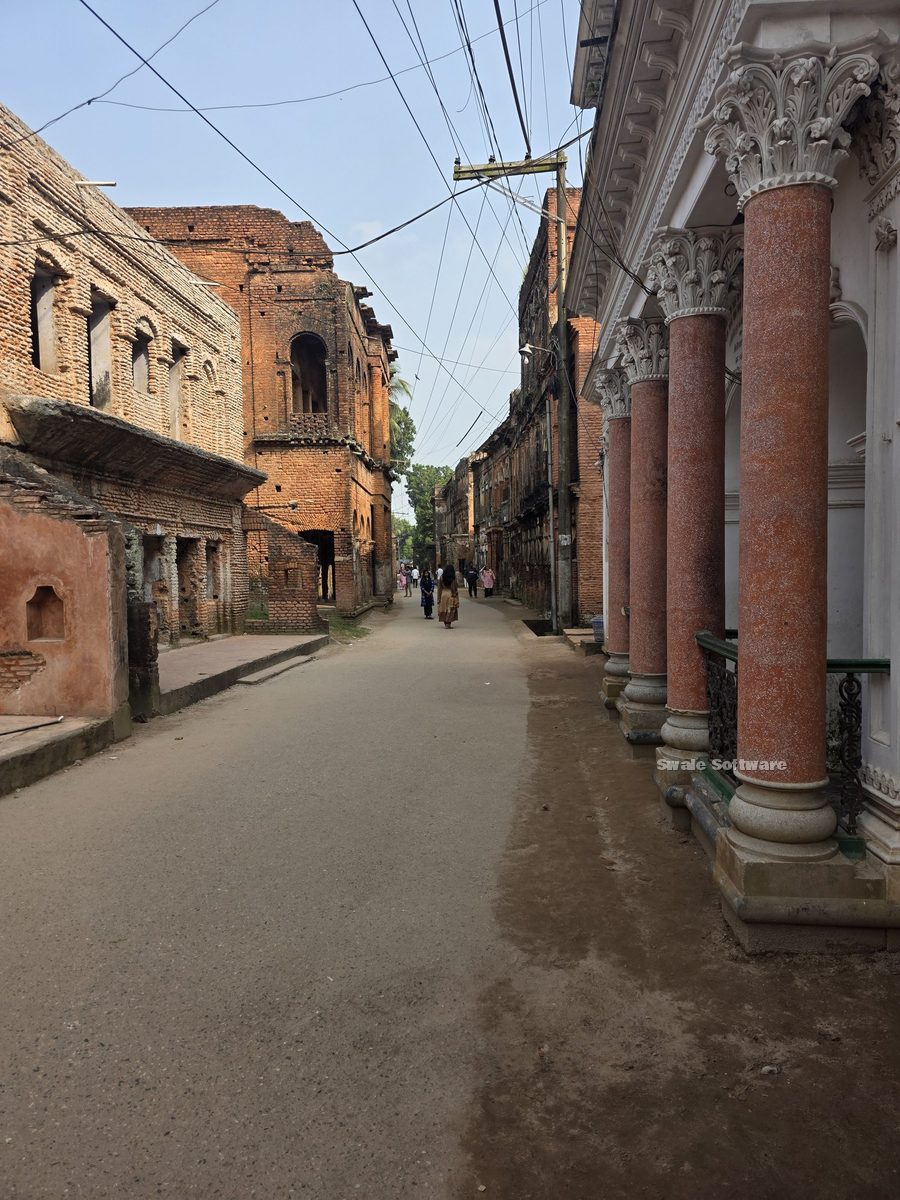
    • Puthia Temple City
    • Rajshahi
    • Mahasthangarh
    • Kusumba Mosque
    • Navaratna Temple Hatikumrul
  • Sylhet & Srimangal

    • Tea plantations, pineapple, lemon & rubber gardens
    • Monipuri & Khasia community villages
    • Lawachara rain forest
    • Madhabpur dam
    • Madhabkunda waterfall
    • Jaflong zero point
    • Tamabil, Lalakhal & Bichanakandi
    • Shrine of Hazrat Shah Jalal & Shah Paran
  • Chittagong, Rangamati & Bandarban

    • Ship-breaking yard Chittagong
    • Tribal villages & bazaars
    • Tribal weaving factories & Floating market
    • Kaptai Lake
    • Hanging Bridge
    • Shuvolong waterfall
    • Rajban Vihar & Chakma King House
    • Golden Temple
    • Nilachal, Chimbuk & Nilgiri hill points
    • Hatia Bandha Tripura village
    • Shailaprapat
  • Cox’s Bazar

    • Saint Martin Island
    • Himchari & Inani sea-beaches
    • Fishing port
    • Maheshkhali Island
    • Ramu & Rakhine Buddhist Temple
    • Adinath Temple
    • Chera Island

Route

  1. 1DhakaNight 1
  2. 2BarisalNight 2, overnight ship from Dhaka
  3. 3MonglaNight 3
  4. 4SundarbansNights 4–5, on the boat
  5. 5KhulnaNight 6
  6. 6RajshahiNight 7
  7. 7BograNight 8
  8. 1DhakaNight 9
  9. 8SreemangalNight 10
  10. 9SylhetNight 11
  11. 1DhakaNight 12
  12. 10ChittagongNight 13
  13. 11RangamatiNights 14–15
  14. 12BandarbanNight 16
  15. 13Cox's BazarNights 17–18
  16. 1DhakaNight 19

Itinerary

  1. Day1

    Arrival in Dhaka

    • Our guide meets you on arrival at Dhaka Airport and takes you to your hotel for the night. Spend the rest of the day relaxing or, if you prefer, get your first taste of Dhaka on a rickshaw ride.
  2. Day2

    Dhaka city and the overnight ship

    • Your guide collects you by car from your hotel or home between 8:00 am and 8:30 am. We begin at Kawran Bazar vegetable market, the largest bazaar in Dhaka, then see the National Assembly (Parliament Building) from the outside. Designed by the renowned American architect Louis Kahn, it is one of the largest legislative complexes in the world.
    • Visit Curzon Hall and Dhakeswari Temple, Bangladesh's national Hindu temple, which Ballal Sen founded in the 12th century.
    • Go on to Lalbagh Fort, the city's best-known sight, which Subahdar Muhammad Azam Shah began in the 17th century, during the Mughal period, and which was never completed. See the Star Mosque and the Armenian Church at Armanitola, then stop for lunch.
    • In the afternoon, visit Ahsan Manzil, the Pink Palace, at Sadarghat, which was the official residence of the Nawab of Dhaka in the 19th century. From there it is a five-minute walk along a busy street (or a short drive) to Sadarghat River Port, where crowds of passengers and trading boats fill the famous Buriganga River. We cross the river in a small boat. The ship-breaking work on the far side makes interesting photographs.
    • We board our modern ship for the overnight voyage to Barisal.
    • Dinner and overnight in a cabin on board.
  3. Day3

    Beautiful Barisal, the historic mosque city of Bagerhat, and Mongla

    • The ship reaches Barisal very early in the morning. We go ashore and drive to Banaripara, where a country boat is waiting to take us along the river and into the narrow canals. This is a lovely part of the trip, and the villages and the way of life along the banks are sure to charm you.
    • By country boat we visit several floating markets, including the famous guava market (in August). Most of the buyers are traders collecting fruit and vegetables from the wholesalers. Do try some of the fresh fruit.
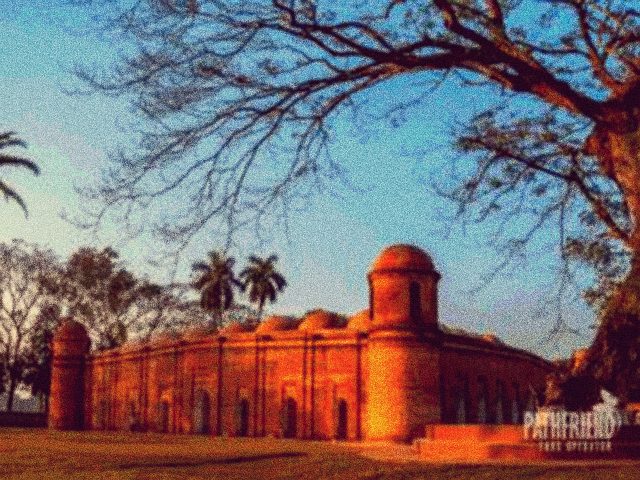
    • We then drive towards Bagerhat for the historic Sixty Dome Mosque, one of Bangladesh's UNESCO World Heritage Sites, and the Shrine of Khan Jahan Ali, the man responsible for over a dozen mosques in Bagerhat, the Sixty Dome Mosque among them. We also plan to see the Nine Dome Mosque, Singair Mosque and Kodla Math.
    • Check in at Hotel Pashur in Mongla. Have a meal, then take it easy for a while or wander down to the river ghat and the bazaars close by.
    • Dinner and overnight in Mongla.
  4. Day4

    Into the Sundarbans

    • We set off early in the morning. Settle into your cabin and have breakfast on board.
    • About two hours later the boat calls at the Chadpai forest office to deal with the paperwork and take on an armed forest guard for your safety.
    • We cruise on to the Harbaria eco-centre, one of the best-known stops in the Sundarbans, for a 30-minute walk through the sanctuary.
    • Back on the boat, we continue deep into the forest. Take in the stillness of the world's largest mangrove forest. By evening we anchor close to the Kochikhali forest office and, if there is time, take a small boat along the canals.
    • Overnight at Kochikhali.
  5. Day5

    Kochikhali and Kotka wildlife sanctuaries, the beach and a forest walk

    • This is the big day of the trip. We start at first light with a boat trip along the narrow creeks. Look out for wildlife, and above all for the many kinds of birds, and enjoy the sounds of the forest waking up. Part of the way through we go ashore and walk a good distance to the forest office area.
    • We then cruise to Kotka station, which takes two hours. Look out along the way for deer, crocodiles, birds, otters and Bengal monitor lizards.
    • An hour's walk through thick forest, an adventure in itself, brings us to Jamtola sea beach on the Bay of Bengal.
    • After lunch we visit the Kotka wildlife sanctuary, the best place to see herds of deer. We allow plenty of time to explore and to watch the sun go down from the beach.
    • We then begin the journey back and anchor in the middle of the Sundarbans, at Chadpai or Jaimoni. A barbecue dinner on board rounds off the day.
  6. Day6

    Sundarbans fishing village and Khulna

    • Another early start, with a short boat trip along the small creeks.
    • Today we call at a fishing village, which also has many shrimp farms. Meet the villagers, find out how they live and spend some happy time with the children.
    • After lunch, get ready to leave the boat. We then drive to Khulna.
    • Overnight at the hotel in Khulna.
  7. Day7

    Train to Rajshahi and the temple town of Puthia

    • We catch the 6:00 am train to Rajshahi and enjoy a local rail journey through attractive countryside. On arrival we check in at the hotel.
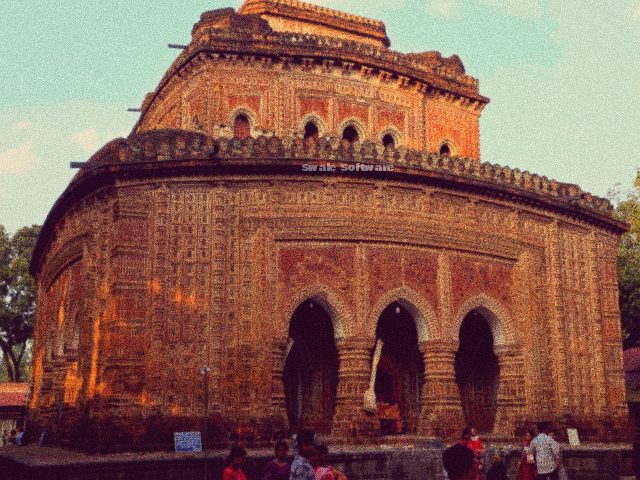
    • After lunch we visit the temple town of Puthia, known for having more historically important Hindu buildings than anywhere else in Bangladesh. Its Shiva Temple is the largest of its kind in the region, and the Govinda Temple, covered in detailed terracotta work, stands in one of the finest old Rajbari courtyards in the country.
    • We watch the sunset from the bank of the Padma, as the Ganges is known here.
    • Overnight in Rajshahi.
  8. Day8

    Somapura Mahavihara at Paharpur, Kusumba Mosque and the ancient city of Mahasthangarh

    • Today we drive to Paharpur, the third World Heritage Site of the tour. The fields of vegetables and fruit along the road are well worth a stop, and the betel leaf gardens make particularly good photographs. On the way we visit the well-known Kusumba Mosque, which dates from the period of Afghan rule in Bengal.
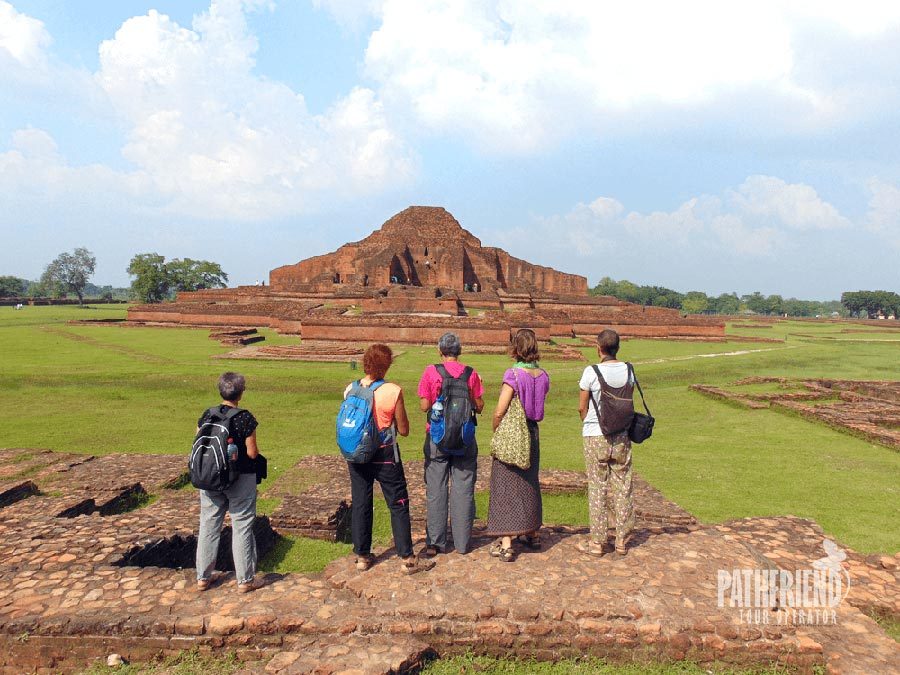
    • We then reach the Paharpur Buddhist Vihara, founded in the 8th century AD. Also called Somapura Mahavihara, it has UNESCO World Heritage status, and no archaeological site in Bangladesh is more impressive. In its day it was the largest Buddhist monastery south of the Himalayas.
    • After lunch we drive to Bogra and visit Mahasthangarh, the oldest city yet discovered in Bangladesh, which goes back to the 3rd century BC or earlier. What remains is mostly foundations and mounds that hint at how grand it once was. The site museum displays an interesting selection of the finds, and Behula's Bashor Ghor is one of the main things to see.
    • We spend the evening at the Buddhist ruins of Vasu Vihara, where the sunset over the countryside is a lovely way to end the day.
    • Overnight in Bogra.
  9. Day9

    Vegetable market, Jamuna river cruise, Navaratna Temple and Dhaka

    • In the morning we visit the largest vegetable market in Bogra, where you can watch the trading and see the fresh produce.
    • We then visit the beautiful Navaratna Temple in Sirajganj, one of the largest temples in the Navaratna style in Bangladesh, before driving to the Jamuna for a river cruise.
    • We reach Dhaka in the evening.
    • Dinner, then overnight in Dhaka.
  10. Day10

    Sreemangal tea estates, Madhabpur Lake and a Manipuri village

    • Your guide meets you at about 7:00 am, and we drive to Sreemangal, which takes roughly four and a half hours.
    • When we arrive we walk in the nearby tea gardens. If it can be arranged, we also look round a tea factory to see how the leaves are processed into the tea you drink.
    • We drive to the Madhabpur dam and lake, set among low hills and tea gardens, and on the way back stop at pineapple and rubber plantations.
    • We visit a village of the Manipuri community. Find out how they live today and how they weave their traditional cloth. Most now lead a largely modern life.
    • In the evening, try the famous seven-layer tea at the Nilkantha tea stall. We spend the night in Sreemangal.
  11. Day11

    Lawachara rainforest, birdwatching at Baikka Beel, and Sylhet

    • Be ready early for Lawachara National Park, the last tropical rainforest left in Bangladesh. Many rare and endangered species live here, the best known being the hoolock gibbon.
    • We then drive to the Baikka Beel wetland to watch birds. Thousands of migratory birds gather here in winter.
    • After some time there we have lunch and drive to Sylhet, passing tea gardens, rubber plantations and haor wetlands along the road.
    • We reach Sylhet city by evening. Before sunset we visit the shrines of two Muslim Sufi saints and Keane Bridge over the Surma River.
    • Overnight in Sylhet.
  12. Day12

    Jaflong Zero Point and Dhaka

    • Today we drive to Jaflong Zero Point, right on the border with India. Low hills and a river flowing down from the mountains make a fine landscape. Jaflong is also known for stone collecting, and the thousands of workers gathering stones from the riverbed make it a great place for photography. We visit the Tamabil area and then set off on the drive to Dhaka.
    • Overnight in Dhaka.
  13. Day13

    The old capital of Sonargaon, the monuments of Mainamati and Lalmai, and Chittagong

    • We leave Dhaka early in the morning for the old capital, Sonargaon, which was the centre of trade in Bengal during the Muslim period. We see Panam City and the Folklore Museum.
    • An hour's drive takes us to Mainamati in Comilla and its Second World War cemetery, the burial place of soldiers who died on the Burma front.
    • We drive to the archaeological site of Salban Vihara and its museum. After lunch we carry on to Chittagong.
    • Overnight in Chittagong.
  14. Day14

    Chittagong ship-breaking yards, and Rangamati

    • After breakfast we see the largest ship-breaking yard by boat at Kumira, a 30-minute drive from the city. Going by water, with a telephoto lens, is the way to get good photographs. We visit the war cemetery, a rickshaw workshop and the famous shrine of Bayezid Bostami, then drive to Rangamati.
    • In the afternoon we visit the indigenous market at Bonorupa and Rangamati's famous bridge.
    • Overnight in Rangamati.
  15. Day15

    The mystery of Kaptai Lake, Shuvolong Waterfall, the king's house and villages

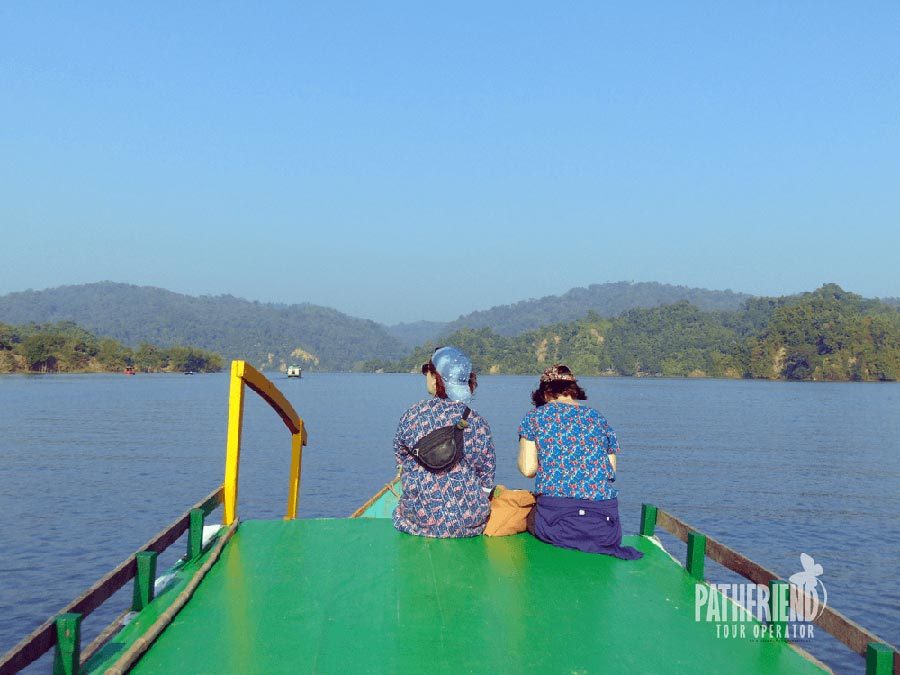
    • Today we cruise on Kaptai Lake, the largest man-made lake in Bangladesh.
    • During the cruise we call at Rajban Vihar and the Chakma king's house. Buddhist temples stand on many of the hills that rise from the lake, and the stretch of water by Shuvolong Waterfall is especially lovely. It is a refreshing day for anyone who loves scenery. We land on an island to take a short hike to an indigenous village, and lunch is at one of the local restaurants beside the lake.
    • In the evening we visit the nearby indigenous markets. Overnight in Rangamati.
  16. Day16

    The Golden Temple and an indigenous village in Bandarban

    • We visit some weaving workshops and the Asam Bosti area, then drive to Bandarban.
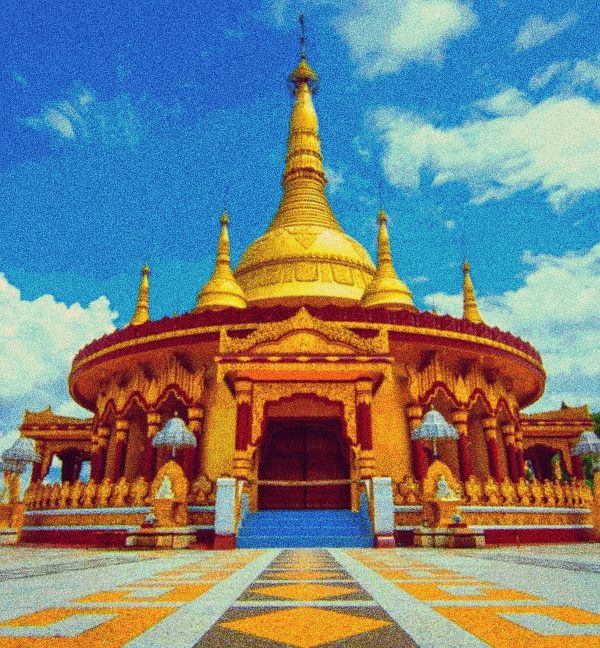
    • Our first stop in Bandarban, before lunch, is the Golden Temple (Buddha Dhatu Jadi).
    • In the afternoon we take a short hike through a pretty village to Hatiabandha Tripura village, the one place in this area where Tripura people live. It sits at the foot of the hills and is a place you will not forget.
    • Watch the sun set over the hills from Nilachal.
    • Overnight in Bandarban.
  17. Day17

    Indigenous villages, hilltop viewpoints and the Sleeping Buddha at Cox's Bazar

    • This is the big day. We drive into the Chimbuk area to visit villages of the Murong people, which are quite unlike those of communities that have taken up modern ways. Meet the villagers and learn about how they live and how they weave.
    • We stop for coffee at Nilgiri, with a magnificent view over the hills.
    • We then visit Shailaprapat waterfall and a Bawm village. After lunch we drive towards Cox's Bazar, calling at the Sleeping Buddha temple in Ramu on the way. Watch the sunset from the beach.
    • Overnight in Cox's Bazar.
  18. Day18

    Maheshkhali Island, fishing villages and temples

    • After breakfast we go by boat to Maheshkhali Island, a popular spot. See the Rakhine Buddhist temple and Adinath Temple, and have some time to look round the island. We call at a fishing port where the deep-sea catch is landed, and at a very photogenic village where fish is dried.
    • The afternoon is free for the beach.
    • Overnight in Cox's Bazar.
  19. Day19

    Marine Drive to Himchari and Inani beaches, and flight to Dhaka

    • After breakfast we take the Marine Drive to Himchari and Inani beaches. Himchari is where green hills meet the open sea. Listen to the waves, unwind and let your mind rest.
    • Enjoy some unhurried time at Inani beach, which runs for 18 km. It is scattered with coral rocks in shades of black and green, and visitors come for the blue of the sea and the rows of stones. The clean, blue sea is free of sharks, so you can bathe and swim without worry.
    • After lunch we drive to Cox's Bazar airport.
    • Fly to Dhaka and check in at the hotel for the night.
  20. Day20

    Departure

    • Your trip to Bangladesh ends today. We take you to Dhaka Airport, and you fly home with some wonderful experiences and memories.

Prices

Group sizeRegularPrice per person
1 traveller–$2,450

Single supplement: $400

Prices are per person sharing a room. If you are travelling with others and would like a room to yourself, a single supplement of $400 per person applies.

Prices are in US dollars. See how to pay and our booking, cancellation & child policy.

What's included

Included

  • Airport pick-up and drop-off.
  • All accommodation in 3-star hotels or resorts on a twin-share basis (upgrades and single supplements are available).
  • All transport in the itinerary: air-conditioned car, tuk-tuk, ship cabin, flights and small boats.
  • All meals at good local restaurants, and mineral water to drink.
  • First-class cabin berth on the ship from Dhaka to Hularhat.
  • First-class train ticket from Khulna to Rajshahi.
  • Tea and coffee at any time on the Sundarbans trip.
  • Forest fees (10,500 taka), permits and an armed forest guard for the Sundarbans.
  • All permits, entrance fees and taxes for the whole trip.
  • An English-speaking guide for the whole trip.

Not included

  • Personal expenses.
  • Tips.

Good to know

  • Timings and the order of visits are flexible and may change with traffic on the day. We will still cover every place in the itinerary.
  • Bengali food is spicy. Restaurants serve plain rice, vegetables, fish and meat. Biryani and khichuri, made with rice, lentils, meat and spices, are specialities of Old Dhaka and are found in other cities too. Many restaurants can cook without much spice if you ask.
  • Modest clothing is needed to visit a mosque. Shorts are not allowed, and women must cover their hair and arms.
  • Shorts are fine in the Sundarbans and Sreemangal.
  • Ahsan Manzil is closed on Thursdays and opens after 3:00 pm on Fridays. Lalbagh Fort is closed on Sundays and opens after 2:00 pm on Mondays.
  • Sundarbans: The itinerary may change with the tides, daylight, the phase of the moon and the weather, but we always try to cover every place mentioned.
  • Sundarbans: Small boats are best for cruising the Sundarbans, and we run private tours for groups of 4 to 10 on a boat reserved for you. Cabins are small, there is no hot running water, and electricity comes from batteries, with a small generator for charging devices. It is simple, but comfortable for a few days.
  • Sundarbans: Meals on the boat are cooked on board by an experienced chef.
  • Sundarbans: Mosquitoes can be bad at times, so bring insect repellent.
  • Sundarbans: There is no phone signal deep in the forest, though there are points where you can get one in an emergency. A Bangladeshi Teletalk SIM gives the best coverage in remote places such as Kotka.
  • Sundarbans: Tigers are very rarely seen in the Sundarbans. You need to be lucky.
  • Sundarbans: Keep quiet on boat trips and forest walks. The best way to explore the Sundarbans is to stay silent and watch.
  • Bandarban and Rangamati: There are many police and army checkpoints in Bandarban and Rangamati. We stop to register and to show passports when asked. The officers are there for your security and are helpful.

Photos

Questions

What is the best time to visit Bangladesh?

That depends on what you enjoy and what kind of trip you have in mind. The climate here is tropical monsoon, so there is a clear wet season and a clear dry season. Most people find October to March the best months to come. It is cool and dry then, which makes travelling and being outdoors comfortable, and it is a very good time for cultural and historic sites as well as the natural ones.

Per person$2,450Book now
Keep exploring

You might also like

All tours
  • Across Bangladesh 28Days

    Bangladesh Tour

    Our longest journey: the whole of Bangladesh, from the Sundarbans and the ancient north to the tea hills, Cox's Bazar and Saint Martin's.

    Per person$3,300

  • Across Bangladesh 13Days

    Highlights of Bangladesh

    Thirteen days covering the best of Bangladesh: the Sundarbans, Bagerhat, Paharpur, the tea hills of Sreemangal and old Sonargaon.
    Per person$1,650
  • Across Bangladesh 13Days

    Archaeological Trip to Bangladesh

    Thirteen days among the ancient monasteries, mosques, temples and palaces of Bangladesh, ending with three days in the Sundarbans.

    Per person$1,590