WhatsApp +880 1913-394033  ·  [email protected] Grand Plaza, 2nd floor, Wireless, Moghbazar, Dhaka-1217
  1. Home
  2. Tours
  3. Rajshahi Tour
North Bengal

Rajshahi Tour

  • Duration4 Days
  • RunsRound the year
4Days

Overview

Four days among the temples, mosques and ancient ruins of north-west Bangladesh, a favourite trip for anyone who loves history.

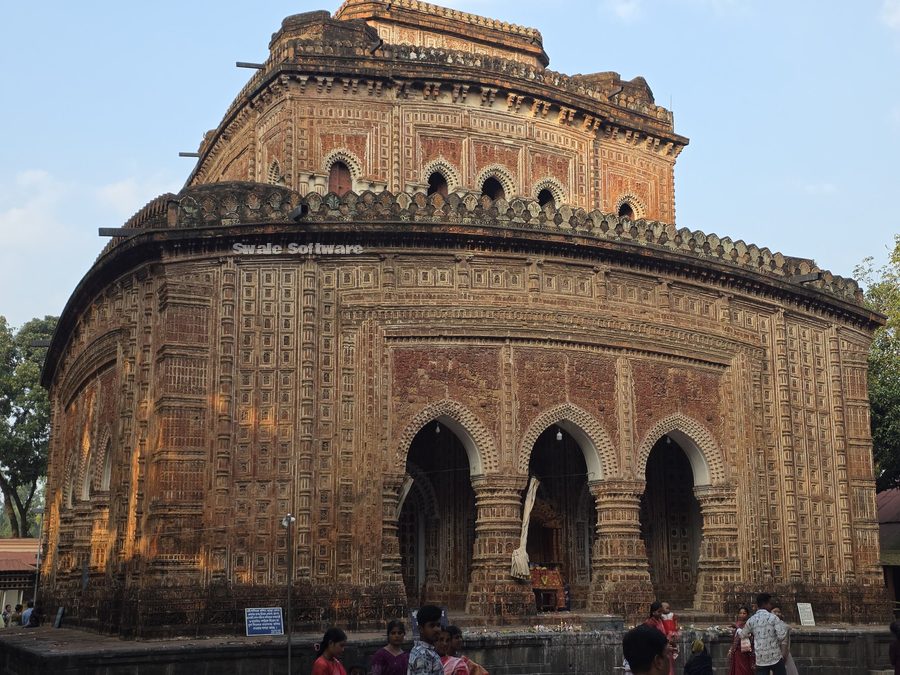
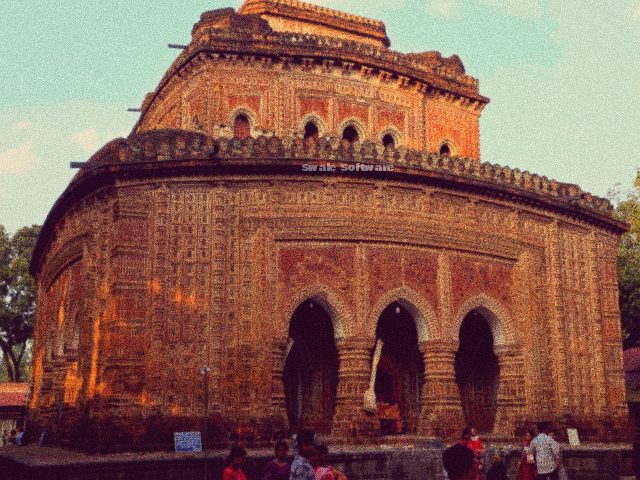
Bangladesh has a remarkable archaeological heritage, much of it from the early periods before and during Muslim rule. A great deal has yet to be excavated or studied, but visitors who see what has been uncovered come away full of admiration, and there are several places where the remains can still be seen today. The Rajshahi region has more of these sites than anywhere else in the country: the UNESCO World Heritage monastery at Paharpur, Kantajew Temple, the Puthia temple complex, Choto Sona Mosque in Gaur, the ruins of Mahasthangarh and many others. This tour covers the sites of Rajshahi, Chapai Nawabganj, Puthia, Rangpur, Dinajpur, Paharpur, Bogra and the Rajbari palaces of the region.

When to go

  • Jan: good time to go
  • Feb: good time to go
  • Mar: good time to go
  • Apr: not the ideal time
  • May: not the ideal time
  • Jun: not the ideal time
  • Jul: not the ideal time
  • Aug: not the ideal time
  • Sep: not the ideal time
  • Oct: good time to go
  • Nov: good time to go
  • Dec: good time to go
  • Good time to go
  • Not ideal
  • Tour doesn't run

Highlights

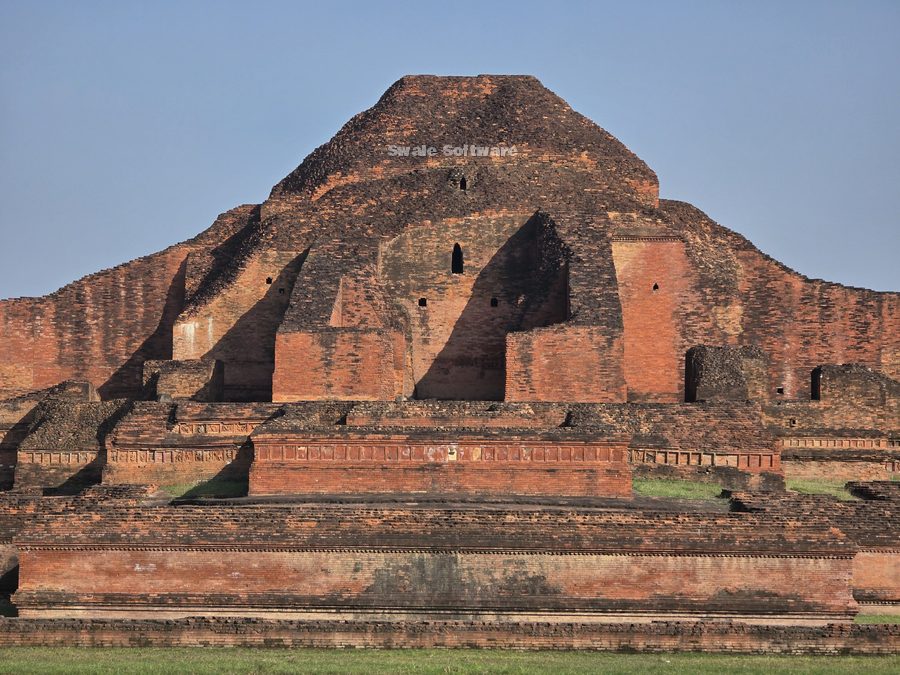
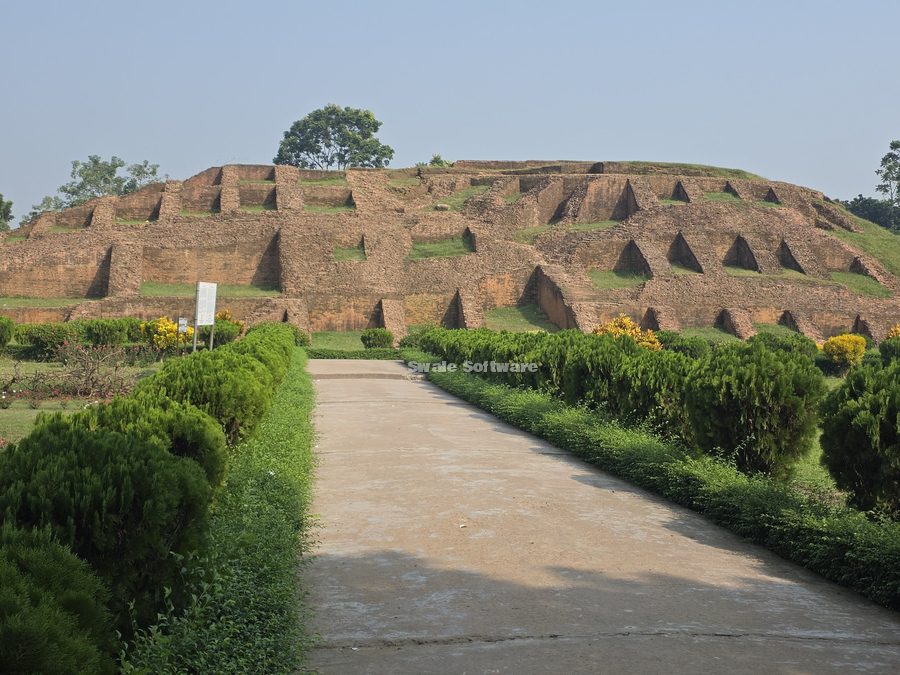
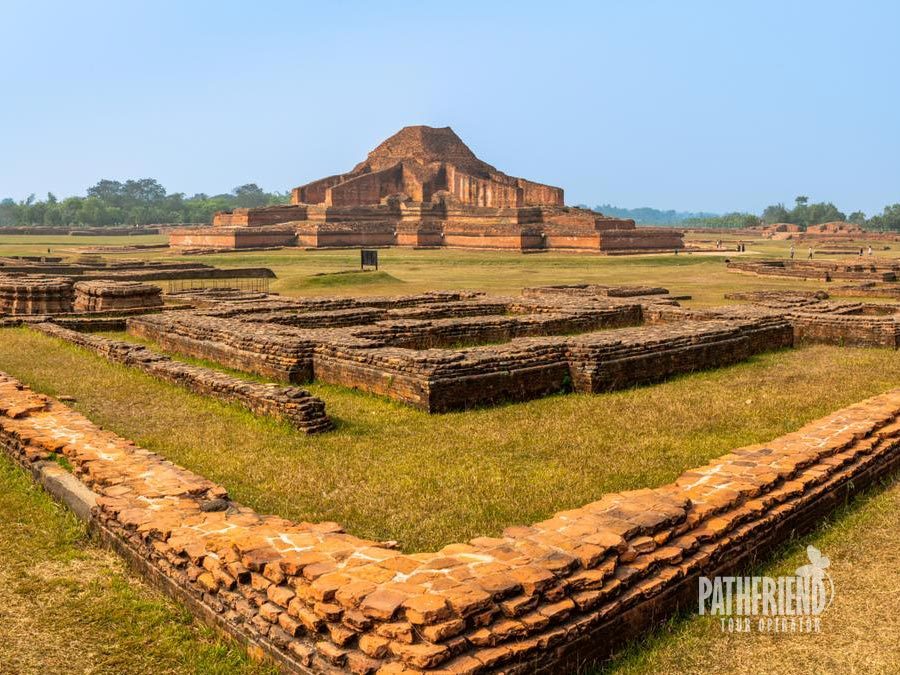
  • UNESCO heritage and Buddhist monastery: Paharpur Buddhist Bihar, a UNESCO World Heritage Site and one of the largest Buddhist monasteries on the Indian subcontinent.
  • Ancient Buddhist ruins: Mahasthangarh, a citadel dating from the 3rd century BC, with Gokul Medh, Vasu Bihar, Jogoddol Vihara, Govinda Bhita and Holud Vihara nearby. Several sites are still being excavated, which makes them ideal for history lovers.
  • Hindu temples and palaces: Puthia, a temple town full of Hindu temples and ruins; the zamindar palaces of Natore and Puthia and their history; and the Navaratna Temple at Hatikumrul near the Jamuna River, the second largest of its kind in Bangladesh.
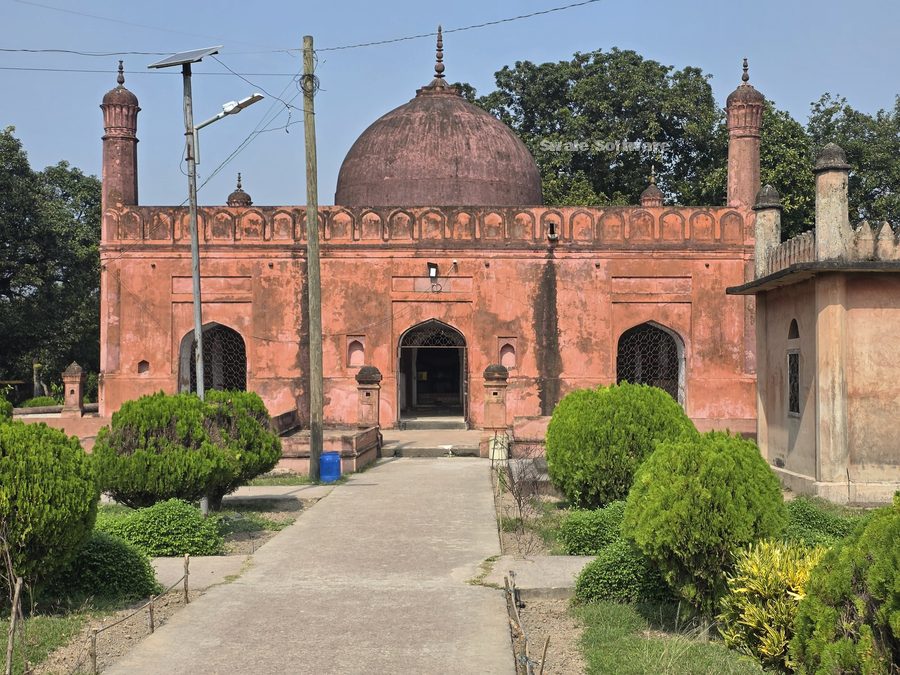
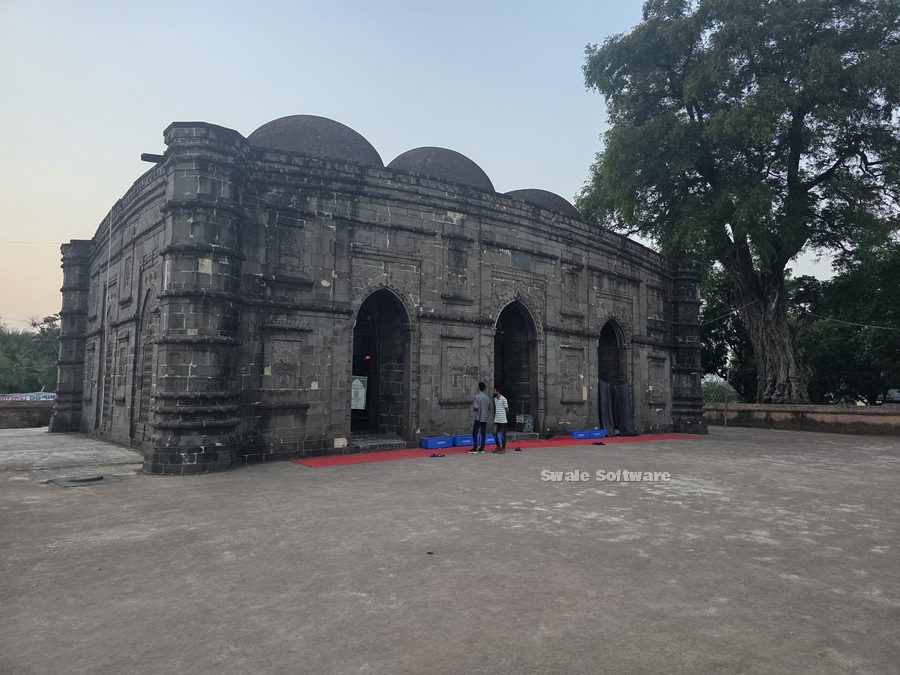
  • Mosques and Muslim monuments: Choto Sona Mosque, the Tahkhana, Darasbari Mosque and Khania Dighi Mosque in Chapai Nawabganj, the 'lost city' of Gauda, as well as Kusumba Mosque and other Muslim-era sites.
  • Museums: the Varendra Research Museum in Rajshahi, the oldest in the country, is highly recommended, and the museums at Mahasthangarh and Paharpur hold rich collections of ancient finds.
  • Villages and landscape: beautiful villages and countryside are the best part of this trip, and sunset at Vasu Bihar is one to remember.
  • Vegetable and fruit gardens: the drive passes through mile after mile of vegetable and fruit gardens, with stops at some of them, including a betel leaf garden.
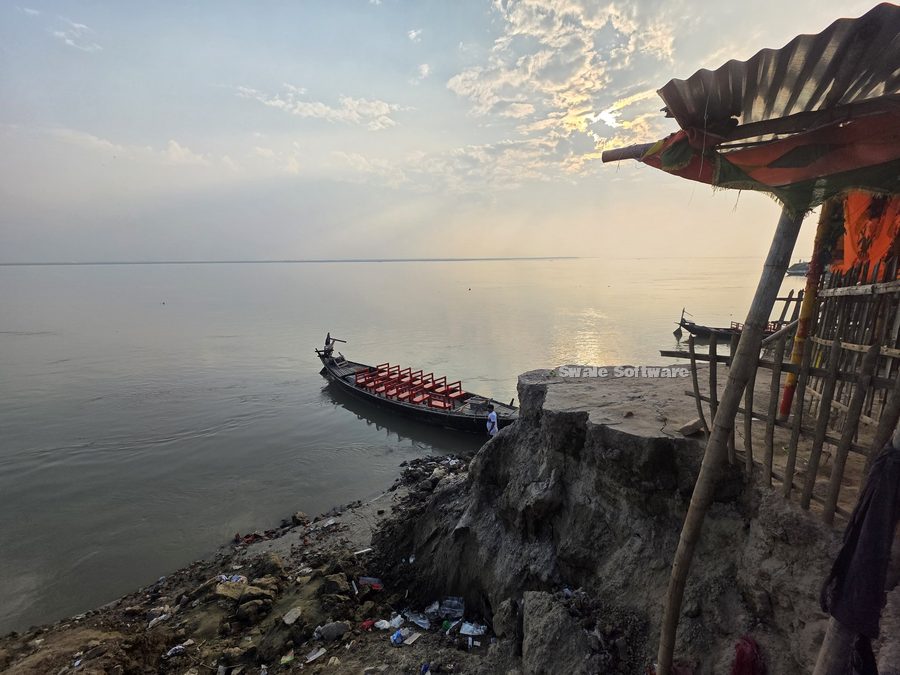
  • Rivers: see the two biggest rivers of Bangladesh and take a cruise on the Jamuna.
  • Bazaars and village life: the vegetable bazaar at Mahasthangarh is well worth a visit, and a good place to meet friendly rural people.

Places you will see

  • Rajshahi

    • Paharpur Buddhist Bihar
    • Mahasthangarh
    • Puthia Temple City
    • Natore Rajbari
    • Silk Weaving Factory.
    • Kusumba Mosque
    • Choto Sona Mosque (Gaur)
    • Tahkhana
    • Darasbari Mosque
    • Khania Dighi Mosque
    • Navaratna Temple Hatikumrul
    • Vegetable, Betel Leaf & Suger Fields, Bazaars.

Route

  1. 1DhakaStart
  2. 2RajshahiNights 1–2
  3. 3BograNight 3
  4. 1DhakaEnd

Itinerary

  1. Day1

    Natore Rajbari, the temple town of Puthia, and Rajshahi

    • Your guide meets you early in the morning where you are staying, and we set off on the five-hour drive straight to north Bengal.
    • We visit Natore Rajbari, the older and larger of the two great Rajbari palaces in the area.
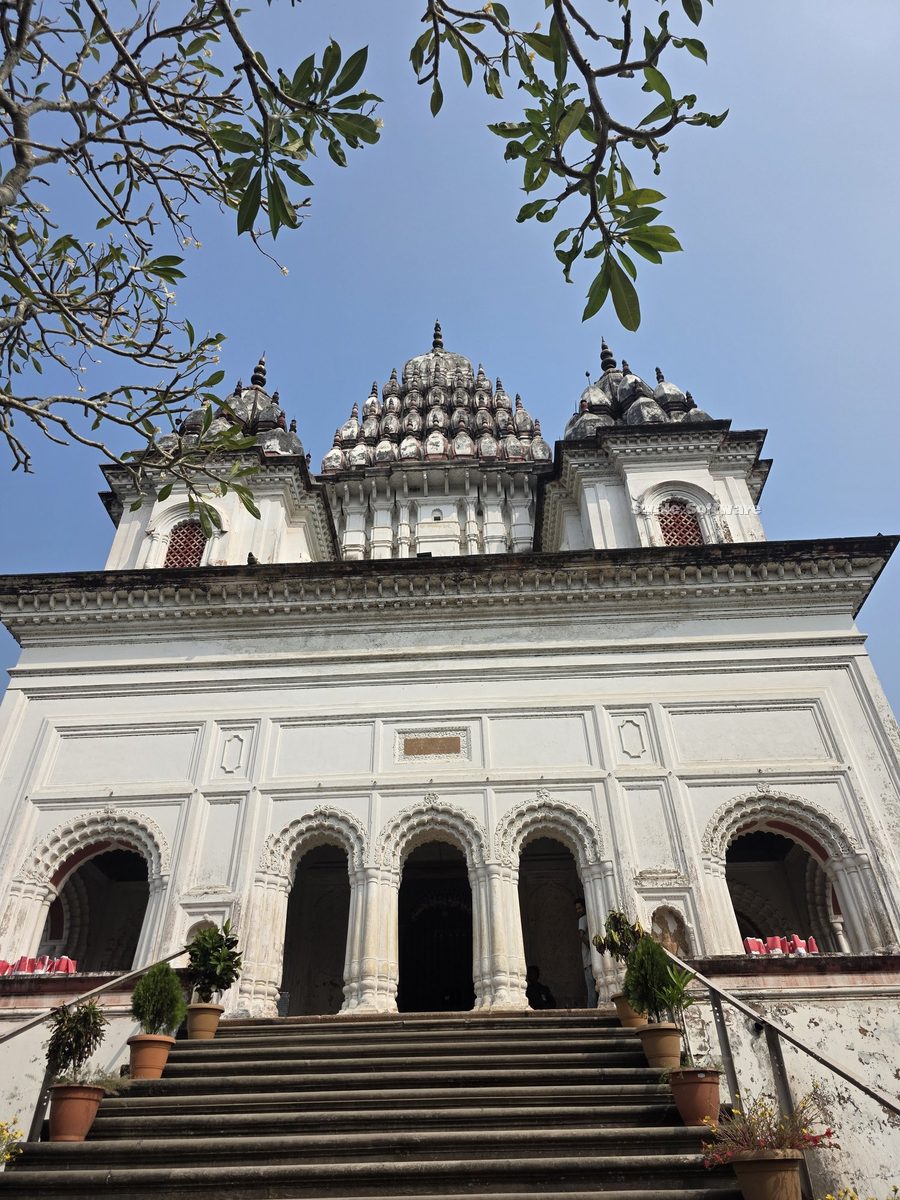
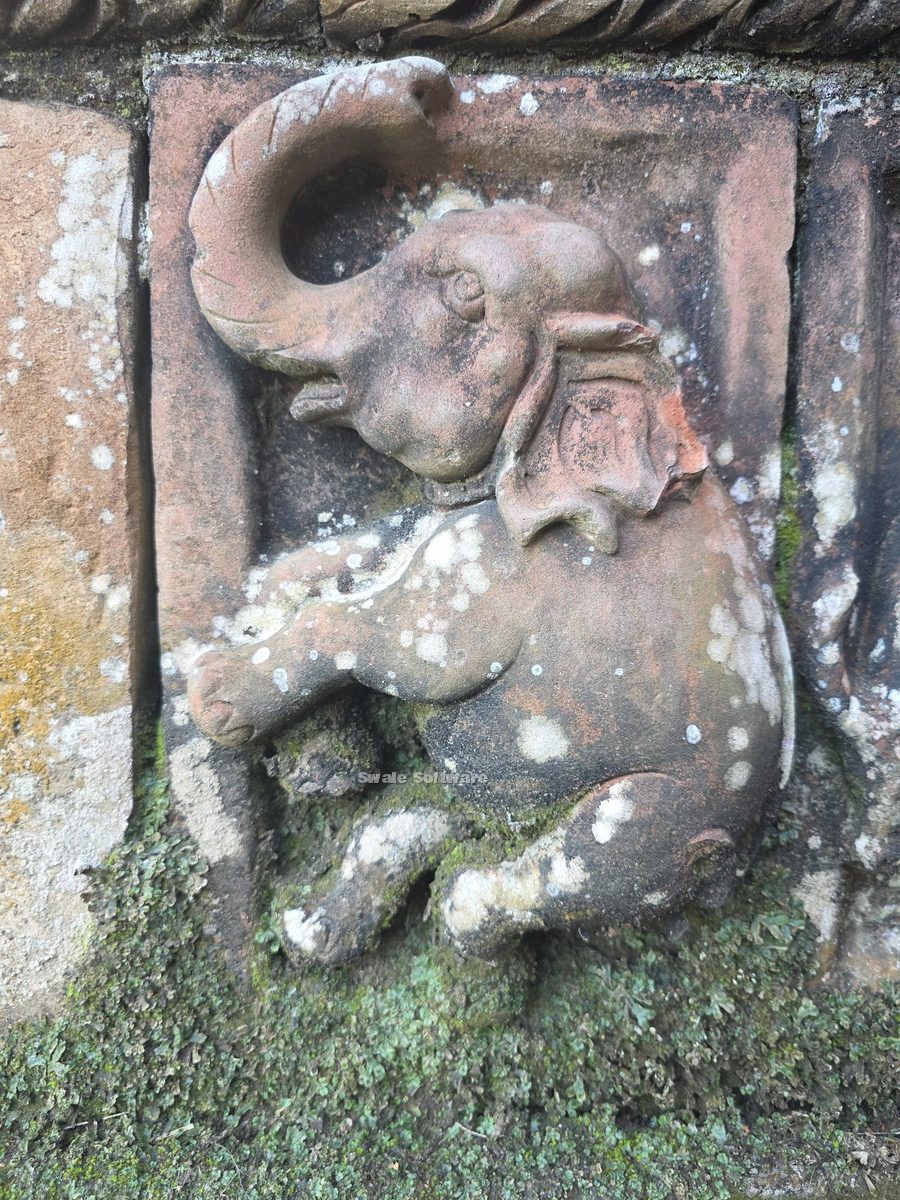
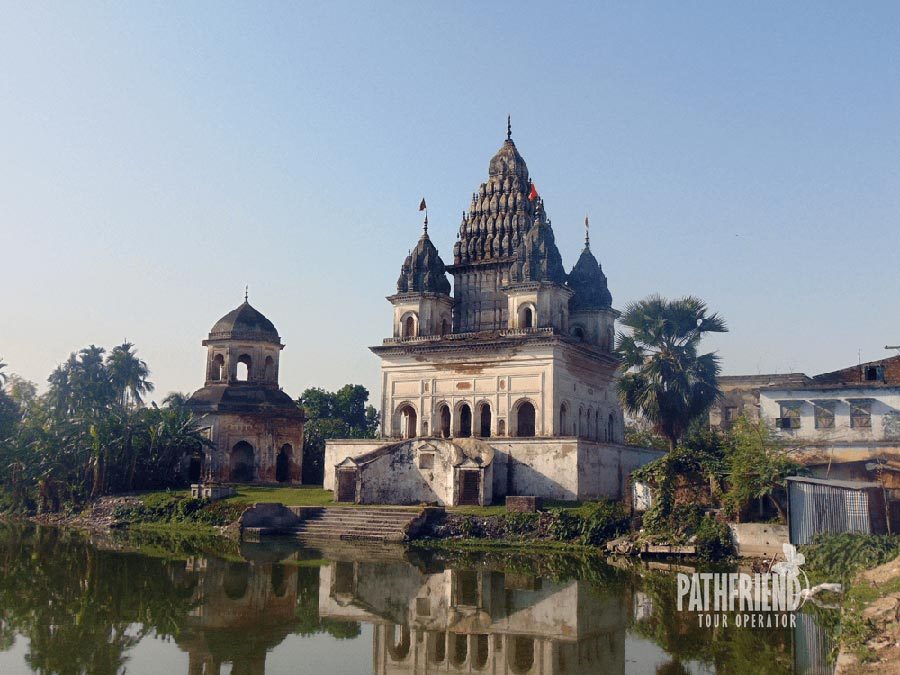
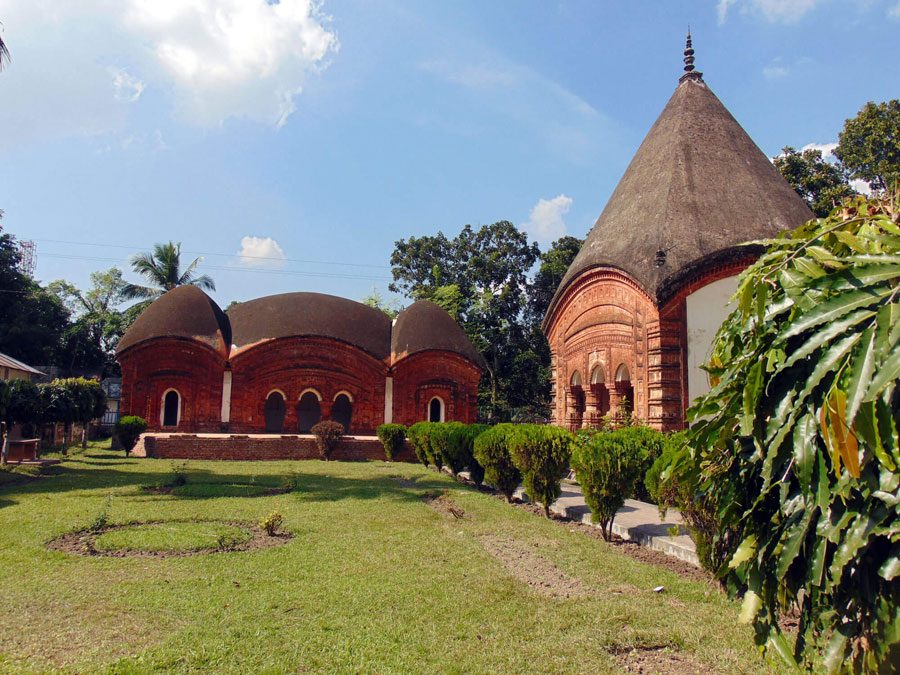
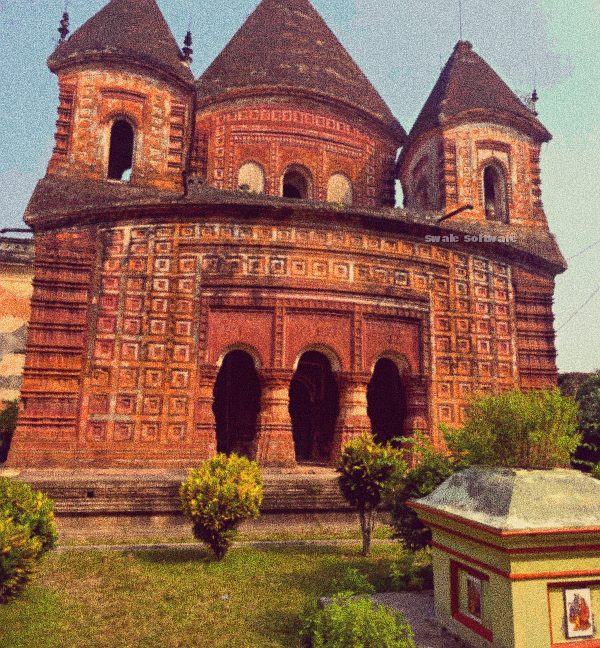
    • After lunch we go on to the temple town of Puthia, known for having more historically important Hindu buildings than anywhere else in Bangladesh. Its Shiva Temple is the largest of its kind in the region, and the Govinda Temple, covered in detailed terracotta work, stands in one of the finest old Rajbari courtyards in the country.
    • We drive to the city of Rajshahi for the night.
  2. Day2

    The lost city of Gaur in Chapai Nawabganj, and the Varendra Research Museum in Rajshahi

    • After breakfast we drive to Chapai Nawabganj to see its historic mosques. The road runs through mango orchards all the way. This is the home of the Khirsapat mango, which was registered as a Geographical Indication product in 2019.
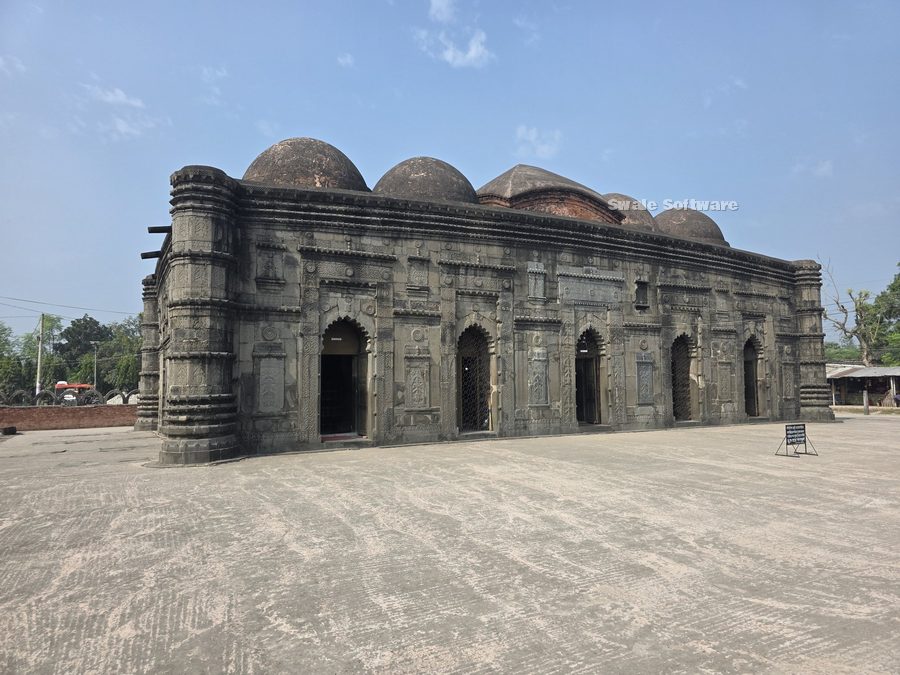
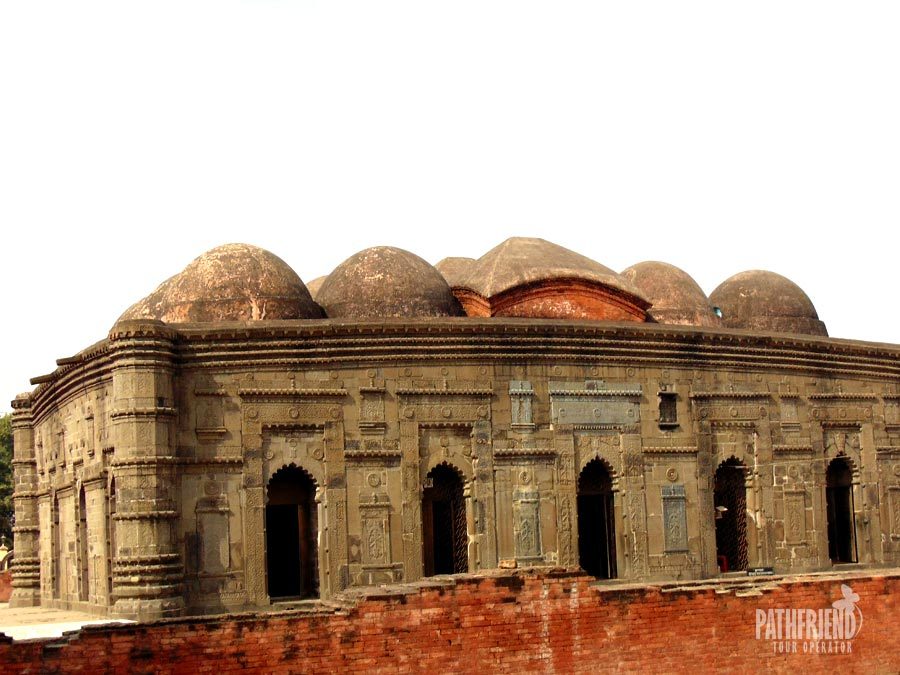
    • We begin by exploring the story of Gaur, the lost city. See Choto Sona Masjid, an exceptionally fine piece of Sultanate period architecture, and the Tahkhana Complex, whose Persian name means a cool building or palace. It stands on the western bank of a large tank in the Firozpur quarter of the old city of Gaur-Lakhnauti.
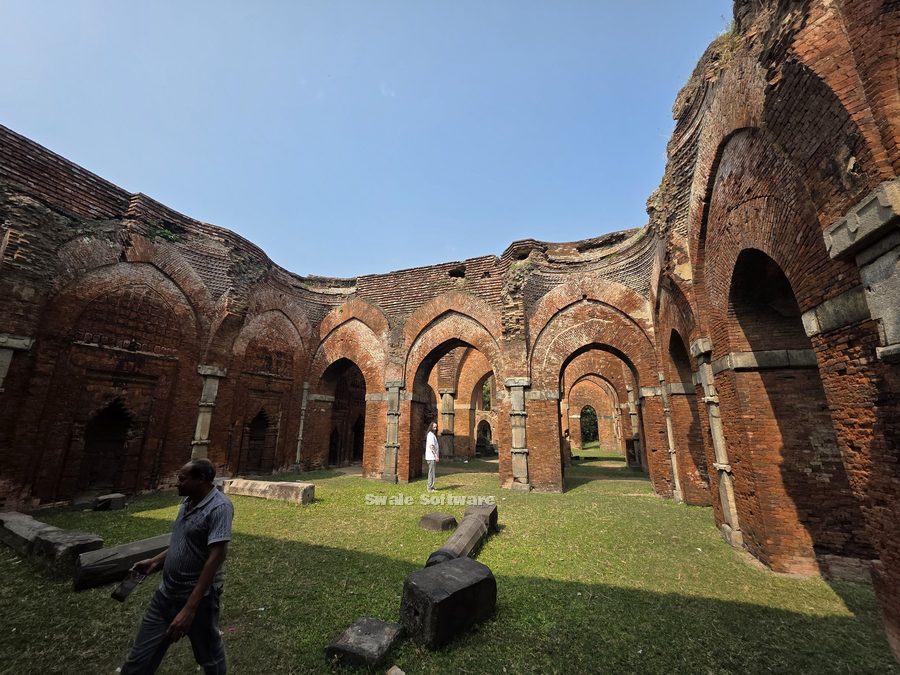
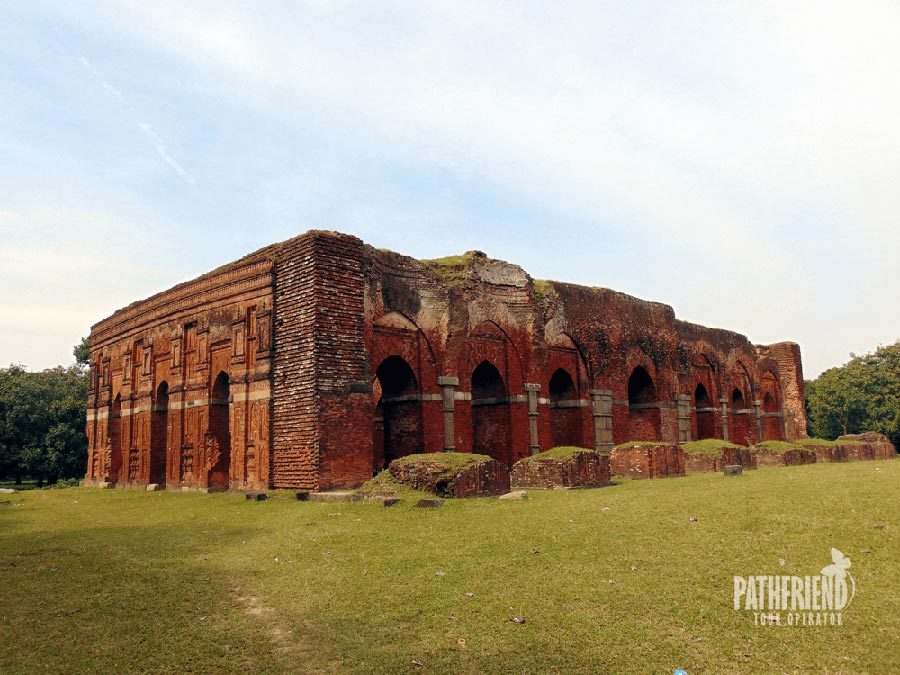
    • Next comes Darasbari Mosque, now a ruin, which was the largest mosque in the part of Gaur-Lakhnauti that lies in Bangladesh. It takes its name from the darasbari, or place of learning, in which it stood.
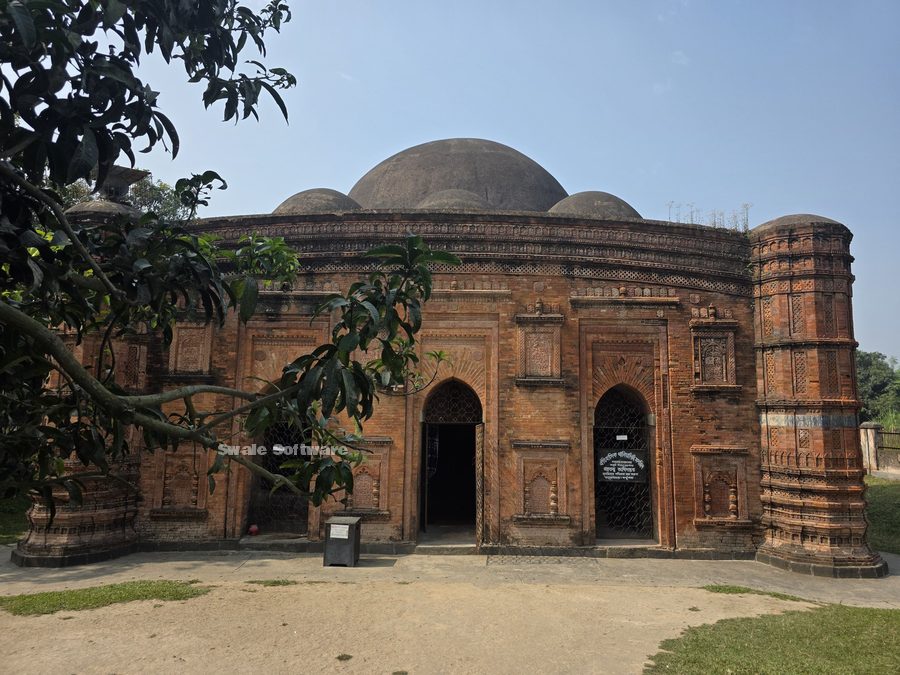
    • We visit Khania Dighi Mosque, one of the treasures of Bangladesh, built in the 15th century. This mosque is also known by other names, including Chamchika Masjid and Rajbibi Masjid.
    • We then return to Rajshahi for the Varendra Research Museum, the country's first museum and one of its richest, with an outstanding collection of sculpture and historical objects. We end the day watching the sunset from the bank of the Padma, as the Ganges is known here.
    • Overnight at the hotel in Rajshahi.
  3. Day3

    Somapura Mahavihara at Paharpur, the ancient city of Mahasthangarh and Kusumba Mosque

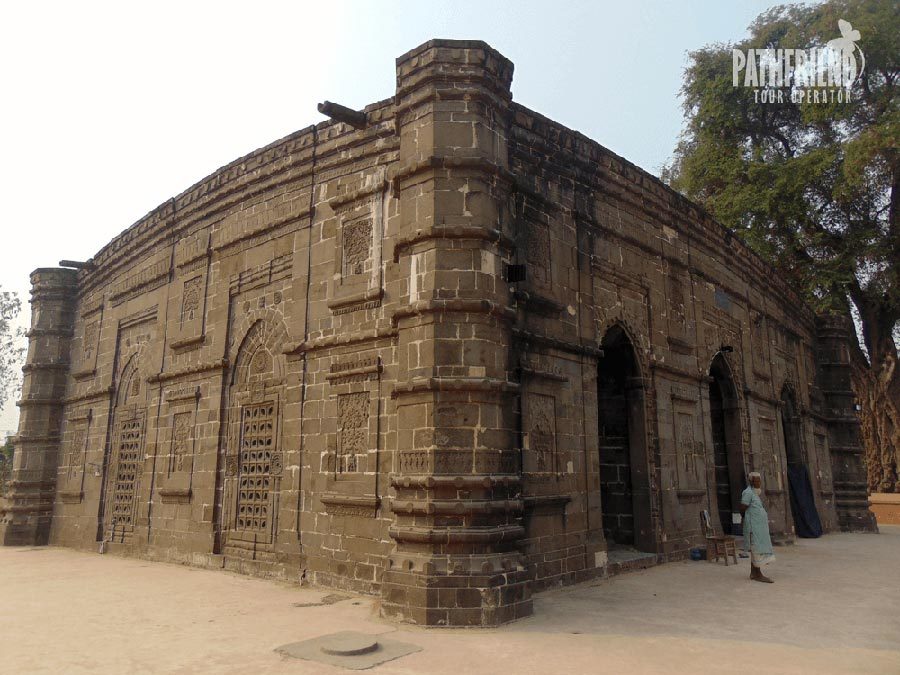
    • Today we drive to Paharpur, a UNESCO World Heritage Site. The fields of vegetables and fruit along the road are well worth a stop, and the betel leaf gardens make particularly good photographs. On the way we visit the well-known Kusumba Mosque, which dates from the period of Afghan rule in Bengal.
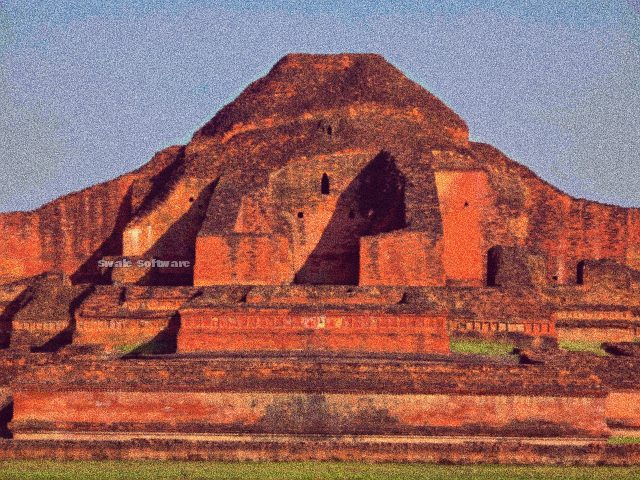
    • We then reach the Paharpur Buddhist Vihara, founded in the 8th century AD. Also called Somapura Mahavihara, it has UNESCO World Heritage status, and no archaeological site in Bangladesh is more impressive. In its day it was the largest Buddhist monastery south of the Himalayas.
    • After lunch we drive to Bogra and visit Mahasthangarh, the oldest city yet discovered in Bangladesh, which goes back to the 3rd century BC or earlier. What remains is mostly foundations and mounds that hint at how grand it once was. The site museum displays an interesting selection of the finds, and Behula's Bashor Ghor is one of the main things to see.
    • We spend the evening at the Buddhist ruins of Vasu Vihara, where the sunset over the countryside is a lovely way to end the day.
    • Overnight in Bogra.
  4. Day4

    Navaratna Temple, a cruise on the Jamuna, Tangail zamindar house and Dhaka

    • In the morning we visit the largest vegetable market in Bogra, where you can watch the trading and see the fresh produce.
    • We then visit the beautiful Navaratna Temple in Sirajganj, one of the largest temples in the Navaratna style in Bangladesh, before driving to the Jamuna for a river cruise.
    • We call at Karatia Zamindar House in Tangail and then continue into Dhaka.
    • The trip ends where you are staying. The journey through history and the memories of it will stay with you.

Prices

Group sizeRegularPrice per person
1 traveller–$420

Single supplement: $70

Prices are per person sharing a room. If you are travelling with others and would like a room to yourself, a single supplement of $70 per person applies.

Prices are in US dollars. See how to pay and our booking, cancellation & child policy.

What's included

Included

  • All transport for the whole trip by air-conditioned car.
  • All accommodation in 3-star hotels on a twin-share basis (upgrades and single supplements are available).
  • Breakfast at the hotel.
  • All meals during the tour at clean local restaurants.
  • All entrance fees during the trip.
  • An English-speaking guide for the whole trip.

Not included

  • Personal expenses.
  • Tips.

Good to know

  • Timings and the order of visits are flexible and may change with traffic on the day.
  • Bengali food is spicy. Restaurants serve plain rice, vegetables, fish and meat. Biryani and khichuri, made with rice, lentils, meat and spices, are specialities of Old Dhaka and are found in other cities too. Many restaurants can cook without much spice if you ask.
  • Modest clothing is needed to visit a mosque. Shorts are not allowed, and women must cover their hair and arms.

Photos

Questions

What is the best time to visit Bangladesh?

That depends on what you enjoy and what kind of trip you have in mind. The climate here is tropical monsoon, so there is a clear wet season and a clear dry season. Most people find October to March the best months to come. It is cool and dry then, which makes travelling and being outdoors comfortable, and it is a very good time for cultural and historic sites as well as the natural ones.

What makes your Sundarbans trip different?

We take real care to make every trip special, and the Sundarbans is a place that has to be approached thoughtfully if you are to see it at its best. This is how we go about it.

An itinerary that suits the forest

  • Our itinerary draws on 30 years of experience. Tides, timing, the hours when wildlife is active, and keeping quiet all have to be taken into account.

Away from the crowds

  • We take you to less visited parts of the Sundarbans, so that your experience is more individual and less crowded.
  • There are many tourist boats and ships in the forest. For our activities we look for places where nobody else is about.

Special activities

  • Birdwatching, canal cruises and guided nature walks add a great deal to the trip.
  • You can also see the Sundarbans in a different way, for example on a silent boat trip along the creeks.

Responsible tourism

  • Our boats are eco-friendly and run silently at night. We travel responsibly, in ways that keep our effect on the environment low and encourage sustainability.

Small private groups

  • Your group is private and kept small, which is the best way to experience the Sundarbans.
Why book a trip with Pathfriend?

What we have to offer is decades of honest work bringing visitors to Bangladesh. Beyond that, you get a level of hospitality and care that money cannot buy. We never forget that you are on holiday and that our job is to make your days memorable. Our first aim is a realistic, comfortable travel plan at a fair price.

Can I get a visa on arrival in Bangladesh? What is the visa policy?

Yes. A visa on arrival (VOA) is issued at the international airports. Citizens of all European countries, the USA, Canada, Australia, New Zealand, Russia, China, Japan, Singapore, Malaysia, South Korea, the UAE, Saudi Arabia, Qatar, Bahrain, Kuwait and Oman can obtain one for official duty, business, investment or tourism, whether or not Bangladesh has a mission in their country. Eligibility, requirements, fees, length of stay and everything else you need to know are on our Visa on Arrival page.

Do I need a permit for the Chittagong Hill Tracts?

A permit is needed to visit the Chittagong Hill Tracts, and we include it in the package. Rangamati and Bandarban each require their own permit. We are an authorised company, so you have nothing to worry about on that score.

What meals are included? Can they be changed to suit me?

The package covers breakfast at your hotels, plus lunch and dinner at good restaurants. Local Bengali cooking is spicy. Restaurants serve plain rice, vegetables, fish and meat. Old Dhaka is famous for biryani and khichuri, dishes of rice, lentils and meat cooked with special spices, which you can find in other cities too. Most restaurants will prepare food without the heat if you ask. In the Sundarbans a chef cooks for you on board. We cater for vegetarians, though in remote areas some restaurants have only a limited choice. If you would rather arrange your own meals, that is no problem, and we will show you the best places to eat.

Per person$420Book now
Keep exploring

You might also like

All tours
  • Across Bangladesh 10Days

    World Heritage Tour Bangladesh

    Ten days built around three UNESCO World Heritage Sites: the Sundarbans, the mosque city of Bagerhat and the monastery at Paharpur.

    Per person$1,250

  • Across Bangladesh 13Days

    Archaeological Trip to Bangladesh

    Thirteen days among the ancient monasteries, mosques, temples and palaces of Bangladesh, ending with three days in the Sundarbans.
    Per person$1,590
  • Across Bangladesh 13Days

    Highlights of Bangladesh

    Thirteen days covering the best of Bangladesh: the Sundarbans, Bagerhat, Paharpur, the tea hills of Sreemangal and old Sonargaon.

    Per person$1,650