 Planning
How Many Days Do You Need in Bangladesh?
What fits into three days, a week, ten days, two weeks and a month.
 Grand Plaza, 2nd floor, Wireless, Moghbazar, Dhaka-1217

Published by Pathfriend Tours

For most visitors the best time to visit Bangladesh is October to March. Those are the cool, dry months, when it is comfortable to be outdoors all day and every part of the country is open. That is the short answer. The longer one is that Bangladesh has three distinct seasons, and a few places are at their best, or only open, at particular times of year.
The climate is tropical monsoon. Because the country is so flat, the weather differs little from one region to the next, so these seasons hold almost everywhere.
October to March
The main travel season. January is the coolest month, averaging 16 to 20 °C by day and about 10 °C at night across most of the country.
March to May
Hot and humid, with April usually the hottest month. Afternoon thunderstorms known as nor'westers blow through between March and May.
June to September
Hot, humid and wet. About 80% of the year's rain falls in the monsoon, and the heaviest of it comes between June and August.
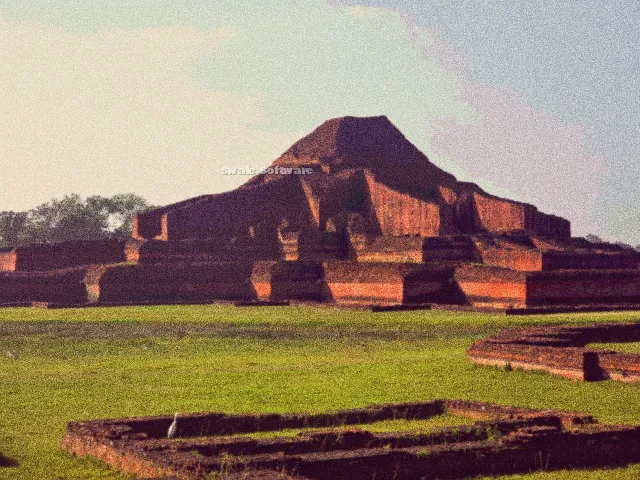
The rain eases off during October, and from November the days are dry, clear and warm without being hot. This is the best time for long days at historic sites such as Paharpur and the Sixty Dome Mosque, for walking in Old Dhaka, and for the Sundarbans. December and January nights are cool enough for a light jacket, especially on a boat or in the north.
It is also the season for the coast. Our Cox's Bazar and Saint Martin's tour runs only from October to March.
Temperatures climb through March, and summer highs can reach 38 to 41 °C. Travel is still perfectly possible: start early, rest in the middle of the day and choose air-conditioned transport. By May the first mangoes and lychees are in the markets, and Bengali New Year, Pohela Boishakh, falls on 14 April.
The monsoon is when Bangladesh looks most like itself: rivers full to the brim, rice fields bright green and tea gardens at their lushest. It rains hard but rarely all day. The drawbacks are real, though. Some roads flood, boats and flights can be delayed, and the Sundarbans is closed.
Two places are worth the rain. The tea country around Sreemangal and Sylhet is at its greenest, and the floating guava market in the Barisal backwaters is at its busiest in August.
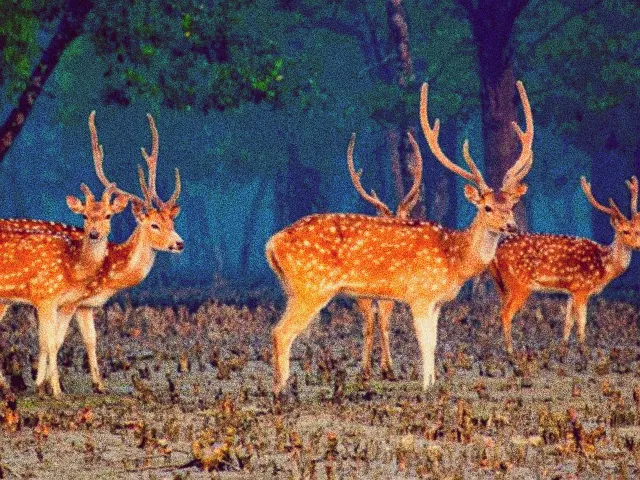
The Sundarbans in summer. In recent years the Forest Department has closed the Sundarbans to all visitors from 1 June to 31 August, to protect fish and wildlife in the breeding season. In 2026 it reopened on 1 September. Our tours that include the forest run from September to May. See how to get to the Sundarbans from Dhaka.
Saint Martin's Island. The government now limits when visitors may go to the island and when they may stay the night, and it sets the rules afresh each season. For the last two seasons, overnight stays have been allowed only in December and January, with day trips in November. If Saint Martin's matters to you, ask us what the rules are for your dates before you book flights.
November is the month of Rakher Upobash, when thousands of lamps are lit at dusk in a temple courtyard near Dhaka, and of the Manipuri Rash Mela near Sreemangal. Our Festival Tour is built around both.
Every tour page shows the months that tour runs and the months we think are best. If your dates are fixed, tell us what they are and we will suggest the route that suits them.
PlanningWhat fits into three days, a week, ten days, two weeks and a month.
 Sundarbans
The routes from Dhaka to the forest, how many days to allow, when it is open and what the boat is like.
 Planning
What official travel advice says, which risks matter and the precautions worth taking.
Tell us what you would like to see and what you want to spend, and we will plan the trip around you.