 Festivals
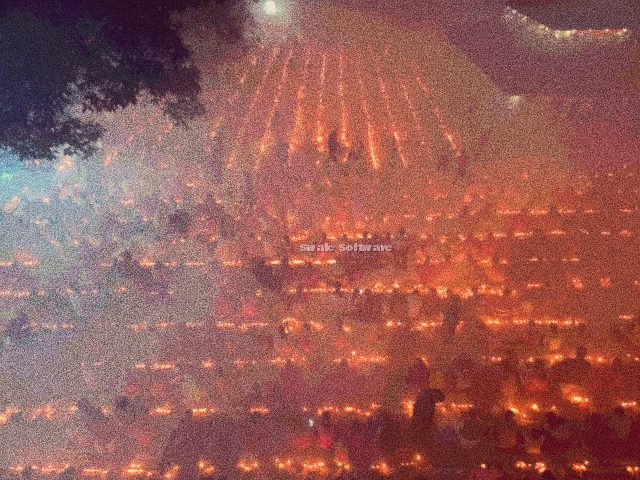
Rakher Upobash: the Festival of Lamps at Baradi
Thousands of lamps lit at dusk in a temple courtyard near Dhaka. What the festival is, when it runs and how to see it.
 Grand Plaza, 2nd floor, Wireless, Moghbazar, Dhaka-1217

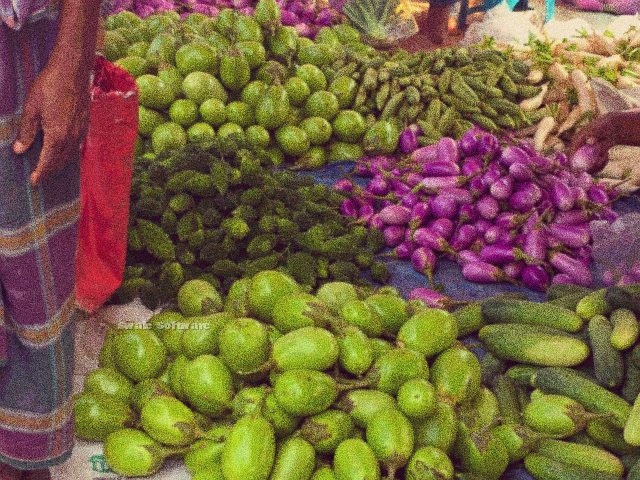
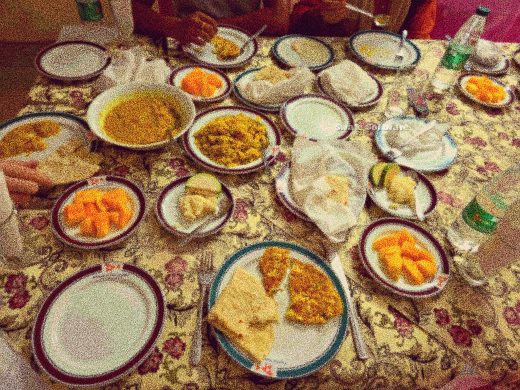
"Mache bhate Bangali" goes the saying: fish and rice make a Bengali. So it is fair to wonder how you will eat here if you do not eat fish or meat. The good news is that an ordinary Bangladeshi meal is built from rice, lentils and several vegetable dishes, with the fish or meat as one plate among many. Leave that plate out and there is still a full table.
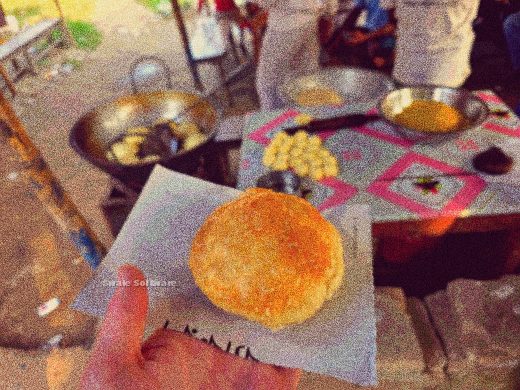
If you remember only two words, make them puri and singara. Both are sold at tea stalls and street corners in every town and most villages, both cost a few taka, and both are normally vegan as well as vegetarian.
Puri is a disc of dough dropped into hot oil, where it puffs up into a crisp, hollow bread. The everyday kinds are dal puri, with a thin layer of spiced lentils inside, and aloo puri, with potato. They are fried to order, so they come hot, and a couple with a cup of black tea makes a good breakfast or a mid-afternoon stop.
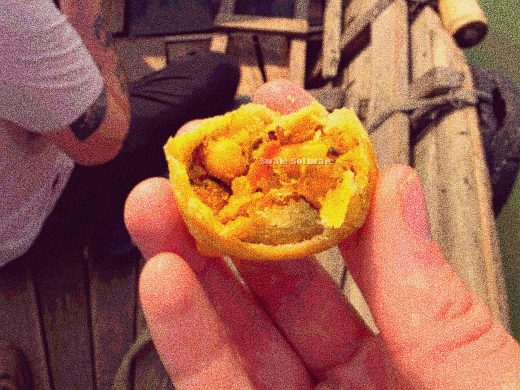
Singara is the Bengali cousin of the samosa: a small pastry pyramid filled with spiced potato, often with peanuts and whatever vegetable is in season. It travels well, so it is the thing to buy in a paper bag before a boat trip or a long drive.
Two checks are worth making. Some stalls also sell a singara filled with liver (kolija singara), so ask for aloo singara. And although both snacks are nearly always fried in vegetable oil, a sweet shop may use ghee, so ask if that matters to you.
Other street snacks are often vegetarian too: piyaju (lentil fritters), beguni (aubergine in batter), samosa with potato filling, jhalmuri (puffed rice tossed with mustard oil and chilli) and chotpoti (spiced chickpeas and potato). Chotpoti and fuchka are usually finished with grated boiled egg, so ask for them without.
The word "vegetable" on a menu does not always mean vegetarian. Things worth checking:
Everyday cooking is done in mustard or soybean oil rather than butter, so many of the dishes above are vegan as they come. The things to look out for are ghee (often added to khichuri, polao and some dals), egg on street snacks, and milk. Bangladeshi sweets such as mishti doi, roshogolla and sandesh are made from milk, and tea normally arrives with milk or condensed milk already in it. Ask for lal cha or rong cha, black tea, usually served with sugar and sometimes ginger or lemon.
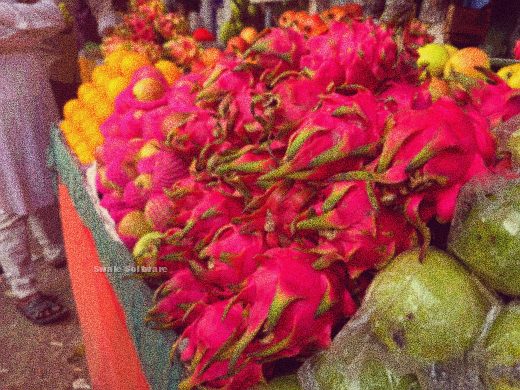
Fruit is the easy win. Depending on the season you will find mango, jackfruit, lychee, guava, pineapple, dragon fruit and banana everywhere, along with fresh green coconut (dab) to drink.
"Vegetarian" is not always understood the way you mean it, so naming the things you do not eat works better than the single word.
Hindu-run restaurants, often signed as a "Hindu hotel", are the most reliable places for a fully vegetarian meal, and many serve food cooked without onion or garlic. Temple kitchens are another option in the bigger cities. In ordinary local restaurants, the usual way to eat is to order rice and dal and then point at the vegetable dishes on display.
Outside the cities the choice is narrower but the food is fresher. In the Barisal backwaters, the floating markets are stacked with whatever is in season, and in the tea country around Sreemangal the black tea is a pleasure of its own.
Most of the worry disappears if the people cooking know in advance. On boat trips in the Sundarbans, for example, every meal is prepared on board, so there is no menu to choose from on the day. Tell us what you do and do not eat when you enquire, and mention it again to your guide on the first morning.
FestivalsThousands of lamps lit at dusk in a temple courtyard near Dhaka. What the festival is, when it runs and how to see it.
Tell us what you would like to see and what you want to spend, and we will plan the trip around you.